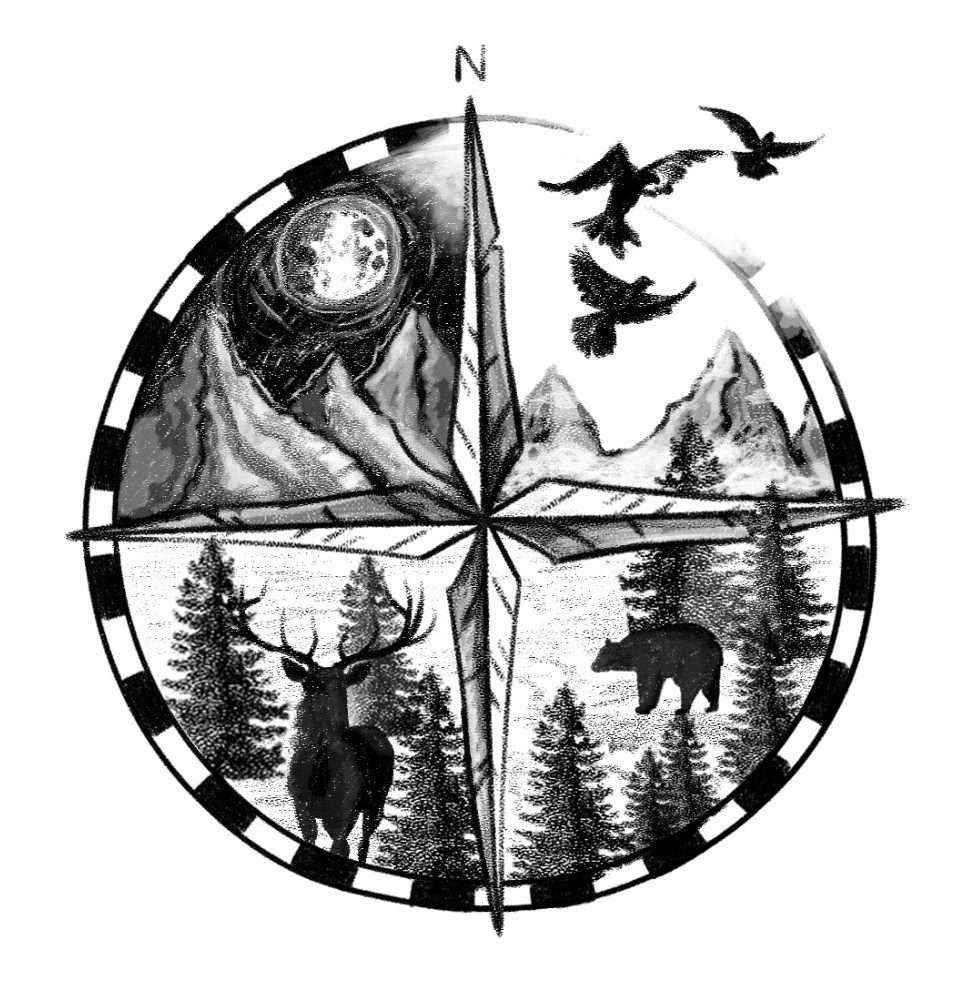

Spending time in nature often feels like an escape, a reset, a journey into something more raw and real than our urban environments. But when we camp, we’re visitors in a landscape shaped not by us, but by thousands of years of natural balance. As we set up camp, we must also think about how we’ll leave it—preferably as if we were never there. This isn’t just an act of responsibility; it’s a way of honoring a fragile balance between human presence and nature’s own untouched beauty.
In this post, we’ll explore how to leave your campsite as it should be, the reasons why humans feel compelled to change natural places to their liking, and why protecting nature as it is, untouched, is so vital to both the earth and our understanding of it.
Practical Ways to Leave No Trace
For anyone spending time in the wild, leaving no trace is a foundational principle. It means treating the natural world as sacred ground, a place to be enjoyed and experienced without leaving permanent marks of our presence.
- Minimize Campfire Impact
Fires are captivating and comforting, but they can scar the earth for decades if not handled properly. Use existing fire rings when possible, and avoid building fires in places without them. If you do make a fire, fully extinguish it and scatter the cool ashes to disperse any remaining trace. - Pack Out Everything
Bring out everything you brought in: trash, leftover food, wrappers, and even biodegradable items like fruit peels, which can disrupt local wildlife and ecosystems. A simple rule: if it didn’t originate there, it shouldn’t stay there. - Respect Wildlife and Vegetation
Resist the urge to pick flowers, disturb animal habitats, or carve names into trees. These acts, though small, alter the natural landscape and disrupt ecosystems that thrive without our interference. - Leave Natural Objects Where They Belong
It’s tempting to take rocks, shells, or other “souvenirs” from the wild, but these objects serve a purpose in the ecosystem. A rock, for instance, might be shelter for a small animal or part of an intricate soil system. - Restore the Campsite
Before you leave, scan your campsite. Brush away signs of tent imprints, cover disturbed earth, and ensure it’s as pristine as when you arrived.
Nature vs. Society: Why Do Humans Change the Spaces They Enter?
Human beings are inherently transformative creatures. We shape the world to our preferences, adapting nature to fit our needs—often without considering the impact on the land itself. Whether through small changes, like arranging rocks to suit a campfire circle, or large ones, like building cities over rivers and forests, there’s a constant pull to make nature suit us rather than adapting ourselves to nature.
This impulse can be traced back to our evolution. Early humans adapted their surroundings for shelter, food, and safety. Over time, however, the goal shifted from survival to control. In societies marked by rapid development and technology, we’ve become accustomed to “improving” landscapes for comfort, convenience, or aesthetic purposes. But nature, in its raw state, needs no improvement. Every tree, river, and stone serves a purpose beyond what we see—a delicate balance that is easy to disrupt and difficult to restore.
When we camp, we have an opportunity to pause this impulse to alter. We can resist the urge to leave any personal mark, allowing the land to exist just as it is. By leaving no trace, we practice a different kind of freedom—a freedom to coexist with nature rather than control it.
Why Protecting Nature “As Is” Is Essential
Protecting nature in its unaltered state is more than an ecological imperative; it’s a way to reconnect with something larger than ourselves. Nature’s untouched spaces remind us that we are a part of an ecosystem, not separate from it. In their unaltered forms, forests, rivers, mountains, and meadows offer us perspectives and experiences that challenge and expand our own. When we leave these places undisturbed, we make room for something ancient and irreplaceable to endure.
On a broader scale, preserving nature helps maintain biodiversity, supports essential climate functions, and allows natural processes to unfold as they have for millennia. When we alter these spaces, we risk not only losing species and habitats but also stripping ourselves of the chance to experience true wilderness, a counterbalance to the complexities and demands of society.
Returning to Society
Leaving a campsite as it was is a powerful practice of humility and respect. In doing so, we remind ourselves of our place within nature, rather than over it. When we return to society, we carry this philosophy with us—a subtle shift in perspective that, if we’re lucky, might inform how we treat the world at large.
The beauty of nature is its permanence and resilience, so long as we allow it. As campers, we are the guardians of these spaces, ensuring that they remain wild and timeless for those who come after us. In a world that is constantly reshaped by human hands, leaving a campsite untouched is a quiet yet profound statement of respect, one that reinforces the vital balance between nature and society.

 EVERWILD ADVENTURES
Leave a comment