Camping in the wilderness is as much about connecting with nature as it is about disconnecting from our usual comforts. One of the most striking aspects of this experience is food. Out here, rationing isn’t just practical—it’s a reminder of how different life is in the wild, where abundance is scarce and every bite matters. In this post, we’ll explore how to plan and ration food effectively, what happens when animals raid your supplies, and why time in nature can be a powerful way to reset our often unchecked appetites.
Rationing For Survival
When packing food for a camping trip, rationing isn’t just about bringing enough—it’s about bringing the right amounts to last, stay nutritious, and avoid attracting wildlife. Here’s how to plan:
- Estimate and Pack Accordingly
Think in terms of calories per day rather than snacks per day. Aim for about 2,000–2,500 calories a day, depending on your activity level, with enough protein, carbohydrates, and fats to keep you fueled. Divide meals into daily packs for easy portion control and to avoid overindulgence. - Prioritize Lightweight, Caloric-Dense Foods
Trail mixes, dried fruits, nuts, oatmeal, and dehydrated meals are all great options. These foods are light, nutrient-rich, and filling, helping you get the energy you need without the bulk. - Protect Your Food from Wildlife
Wild animals are always on the lookout for easy meals, so secure your rations. Use a bear-proof container or hang food at least 10 feet off the ground, 200 feet away from your campsite. Not only does this protect your supplies, but it also respects the local ecosystem by keeping animals away from human food. - Stick to a Measured Schedule
While camping can increase your appetite due to physical activity, stick to set meal times and portions. This helps you ration your food and develop a mindset of gratitude and restraint, qualities that are easy to lose in a world of overabundance.
When Wildlife Finds Your Food
One of the most pressing reasons for proper rationing and storage is the presence of wildlife. If an animal eats your food, you’re not just left hungry—you may have inadvertently disrupted the natural diet of the animal, which can have significant consequences for them and for the environment.
When animals find human food, it can lead to “food conditioning,” where animals learn to seek out humans for food. This is dangerous for the animals, who become reliant on non-natural food sources, and for campers, who face increased risks of encounters with hungry wildlife. To prevent this, follow Leave No Trace principles and store food properly. A single slip can create patterns that last far longer than your trip.
Rationing for Survival?
In the wild, every animal is governed by natural limits and must constantly adapt to scarcity. For most animals, a successful hunt or forage means just enough food to survive the day. In contrast, humans are accustomed to abundance. Grocery stores overflow with options, pantries are stocked, and meals are often planned around taste and convenience rather than pure necessity.
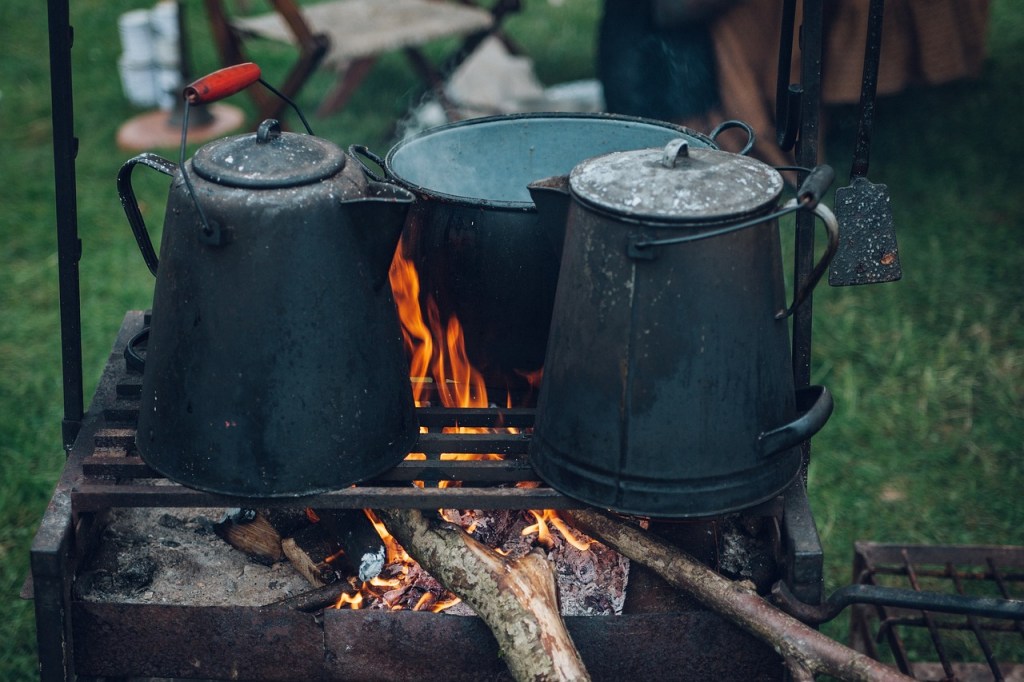
When we camp, we’re reminded of the stark difference between the feast of modern life and the measured balance of nature. Out here, food isn’t taken for granted. Every bite of trail mix, every warm meal cooked over a fire is appreciated, savored, and conserved. Time in the wild can make us aware of how much we consume and, perhaps, reveal just how little we actually need.
Curbing Gluttony Through Wilderness Rationing
Camping is a chance to reflect on the abundance that often goes unappreciated in daily life. Out here, there’s no room for gluttony; every meal is carefully portioned, every snack rationed. In a way, this can feel like a detox—not just from food but from an entire lifestyle of excess. Rationing becomes a reminder of nature’s delicate balance, where every animal, plant, and organism relies on just enough to keep the ecosystem in harmony.
Many people find that stepping away from abundance is both humbling and freeing. By eating only what we need, we learn to appreciate the essentials and to let go of unnecessary wants. This mindfulness is a gift that we can take back to society, perhaps helping us to live a little more thoughtfully in a world where resources are often overused.
Conclusion
Rationing food while camping is about more than just planning meals—it’s an exercise in restraint, respect, and balance. In the wild, we’re guests in an ecosystem that has survived on just enough for millennia. By rationing wisely, protecting our supplies from wildlife, and curbing our natural appetite for abundance, we align ourselves more closely with the world around us.
When we return from the wild, perhaps a bit hungrier but certainly more aware, we carry a little piece of that balance with us. Nature has a way of teaching us to live in harmony, not just for the time we’re out there, but in all that we do when we come back.

 EVERWILD ADVENTURES
Leave a comment