Imagine you’re deep in the wild with only nature around you. In such moments, knowing which plants can provide safe, drinkable infusions could be the key to comfort—or even survival. Tea and herbal infusions are enjoyed worldwide, but they’re more than just beverages; they’re a part of humanity’s ancient survival knowledge. Let’s dive into the popular drinkable plants that outdoor adventurers still rely on today, and learn how our ancestors figured out which plants were safe—and even beneficial—to consume.
The Basics: True Teas vs. Herbal Infusions
When we talk about tea, we’re actually referring to a specific plant—Camellia sinensis, which gives us green, black, white, and oolong teas. These varieties are all processed differently, and all have caffeine. Traditional teas can be warming and invigorating, making them a staple for explorers in many regions.
In survival situations or in the wild, however, you’re more likely to rely on herbal infusions. These aren’t true teas but are made by steeping leaves, flowers, roots, or bark from other plants. Herbal infusions are caffeine-free, with different flavors and benefits depending on the plants used. Knowing a few drinkable wild plants is essential survival knowledge, so let’s go through some of the most trusted ones.
Drinkable Plants and Their Benefits
True Teas (from Camellia sinensis):
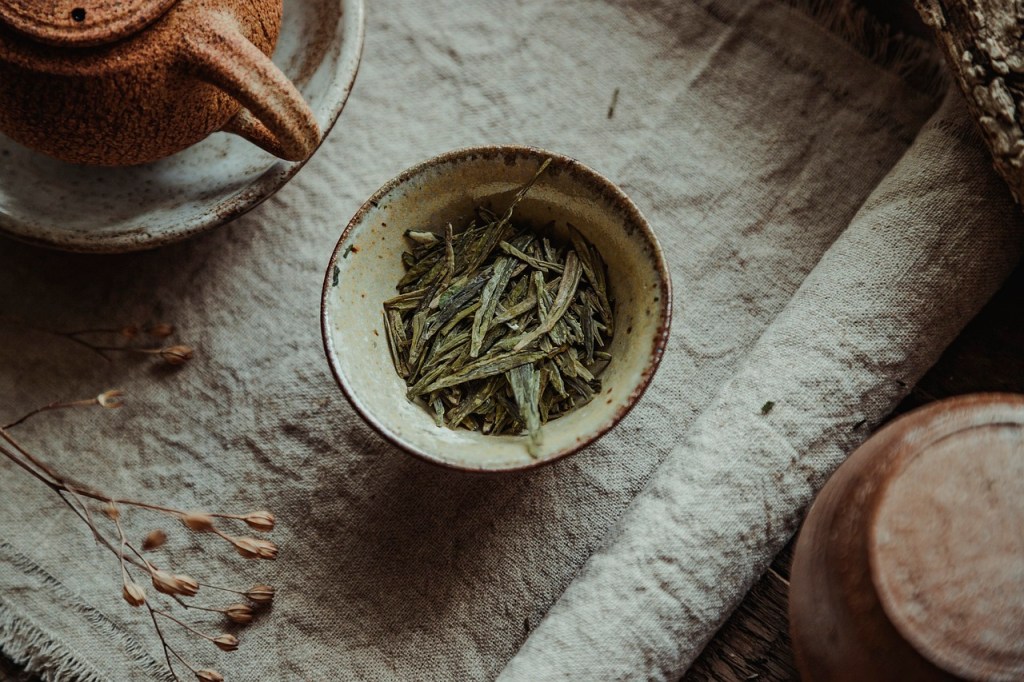
- Green Tea: Originally from China, green tea is antioxidant-rich, believed to boost endurance, and provide gentle caffeine—great for when you need an energy lift without the jitters.
- Black Tea: Black tea leaves are fully oxidized, resulting in a bold flavor and a higher caffeine content. Used widely as an energy booster, it’s often brewed in outdoor camps around the world.
- Oolong and White Teas: These offer lighter flavors and a range of antioxidants and can be nice to have in survival packs for variety.
Wild and Herbal Infusions:
- Pine Needle Tea: Pine needles, rich in vitamin C, are a classic wild infusion for survivalists. Boil pine needles for a hot, slightly citrusy drink to boost immunity.
- Mint: Wild mint is refreshing and easy to identify in temperate climates. Mint tea is a natural digestive aid and can be found near streams or damp areas.
- Yarrow: Yarrow tea has been used since ancient times for its anti-inflammatory properties. Found in many meadows, it’s a go-to for outdoor enthusiasts looking to soothe an upset stomach.
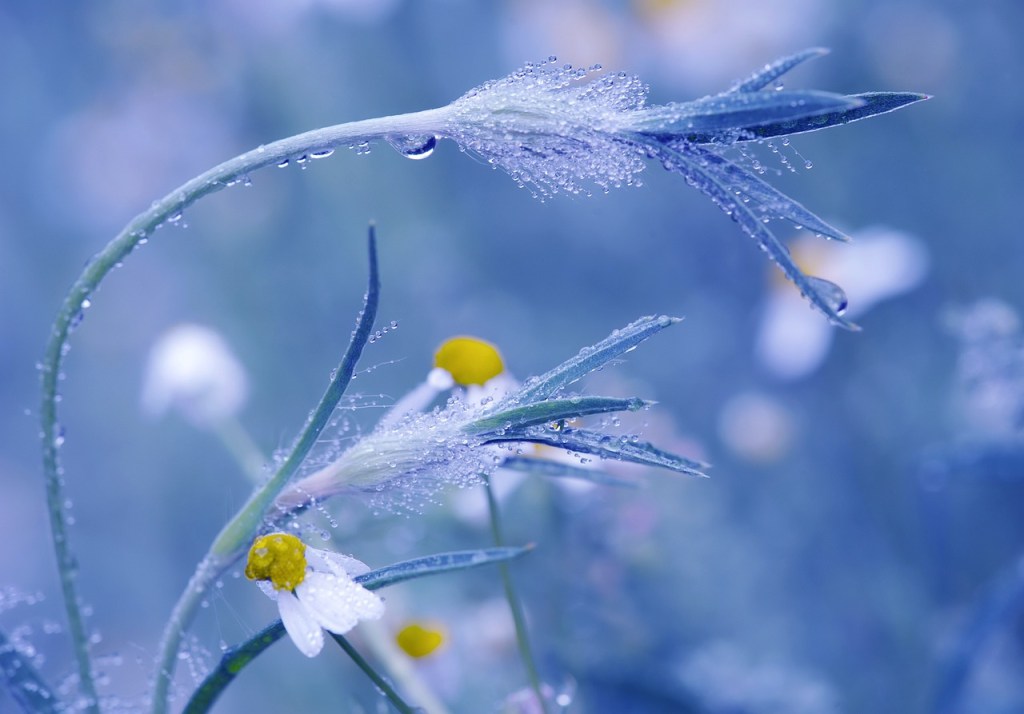
- Chamomile: Known for its calming effects, chamomile is often found in open, sunny areas and can be made into a tea that may help relax and induce sleep after a long day outdoors.
How Did Humans Discover Drinkable Plants?
The story of how humans found drinkable plants is one of curiosity, intuition, and a bit of trial and error. Imagine ancient humans, often led by survival instincts, testing various plants by steeping them in hot water. Here are the methods they used that are still relevant to today’s survivalists:
- Taste and Scent Testing: Indigenous practices taught people to nibble small amounts and wait to observe the effects. Bitter or acrid flavors were often signs of toxicity, while mildly sweet or neutral-tasting plants were generally safer.
- Ancient Trade and Knowledge Sharing: As early civilizations traded, they shared knowledge about safe, medicinal plants. This exchange brought plants like peppermint, chamomile, and cinnamon into common use and spread information on their safe preparation methods.
- Medicinal Trial and Error: Many herbal infusions originated as medicinal remedies. For instance, ancient Egyptians used chamomile for fevers, while Native American tribes have used pine needle tea as a source of vitamin C during winter months.
Drinking in the Wild
Knowing which plants can provide safe, nutritious infusions can make all the difference in the wild. For example, while true tea is a valuable comfort item, survivalists prioritize local plants that offer specific health benefits without the need for caffeine. Always be cautious and cross-check with local plant guides if you’re foraging, as some plants can be harmful or easily mistaken for their safer look-alikes.
From ancient wanderers to modern survivalists, humans have always sought comfort, nutrition, and survival aids from the plants around them. Whether you’re hiking, camping, or deep in the wilderness, a knowledge of drinkable plants can keep you hydrated, alert, and connected to nature. So next time you sip on a wild infusion, remember: you’re part of a long, rich tradition of survival in harmony with nature.


 EVERWILD ADVENTURES
Leave a comment