The flickering light of a campfire is more than just a physical phenomenon—it is a bridge to humanity’s past, a symbol of progress, and a grounding force in an ever-modernizing world. From its discovery to its nuanced role in modern society, fire has shaped humanity’s identity in profound and intricate ways.
Origination of the First Flame: Naming and Symbolism
The first flame likely emerged from natural events such as lightning strikes, volcanic eruptions, or spontaneous combustion of vegetation. Early humans recognized its utility and began incorporating fire into their daily lives, a revolutionary moment that led to rapid advancement.
The linguistic legacy of fire reflects its importance. In English, fire forms the root of numerous terms: fireplace, fireproof, firestorm, and firefighter illustrate its integration into modern life. Colocations like set the world on fire (signifying achievement) or play with fire (indicating risk) showcase its metaphorical range. Technological terms such as firewall in computing continue this tradition, signifying protection and control in a digital age.
Modern usages of fire extend from the literal to the symbolic. Its combustion powers engines, from steam locomotives to modern internal combustion engines. In industrial processes, it facilitates smelting and manufacturing. On a smaller scale, fire’s energy is harnessed in everything from candlelight to gas stoves, a ubiquitous presence in both ritual and routine.
Prevalence and Importance for Humanity
Fire’s impact on humanity is evident in archaeological, anthropological, and sociological data.
- Wonderwerk Cave, South Africa: Evidence of controlled fire usage dating back to 1 million years ago was found here, with charred bones and ash deposits indicating early human adaptation to cooking. This transformed diets and improved nutrition, aiding brain development.
- Qesem Cave, Israel: 400,000-year-old hearths found in this site show organized use of fire for communal cooking and warmth. This likely fostered social bonds and the emergence of group dynamics, crucial for survival.
- Clovis Sites, North America: Remains of fire pits alongside large animal bones reveal how early humans in the Americas used fire for hunting and butchering during the Ice Age, demonstrating its role in adapting to harsh climates.
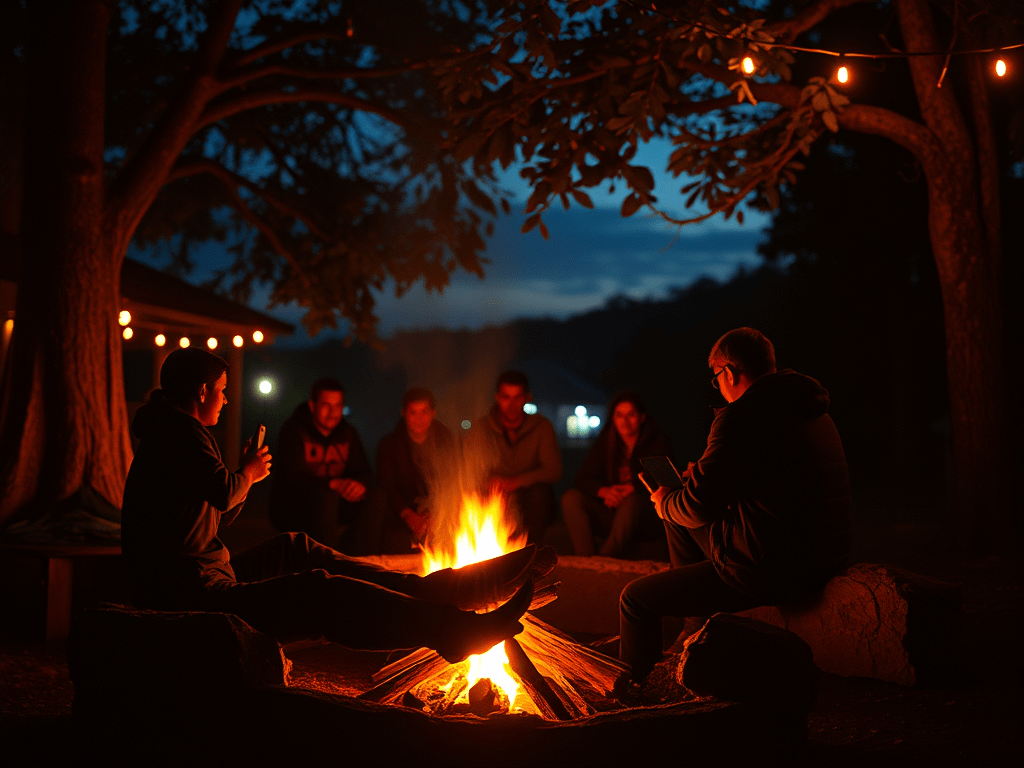
Beyond survival, fire influenced social structures. Anthropologists argue that fire enabled storytelling and shared narratives, fostering culture and identity. Sociological studies note its role in creating communal spaces, whether around ancient hearths or modern campfires, highlighting fire’s timeless ability to unite.
Taming and Utilization of Modern Flame
The evolution of fire from an untamed, wild force to a meticulously controlled energy source mirrors humanity’s journey from chaos to order. In its raw form, fire demanded respect, evoking both fear and awe. Modernity, however, has redefined fire, stripping it of its ancient mystique and reframing it as a tool—no longer a blazing entity but a subdued and latent force.
Electricity, for instance, is the conceptual descendant of fire. The luminous filament of a light bulb, glowing softly, is a tamed ember. It lacks the ferocity of an open flame but carries the same essence: a harnessed source of light and energy. Similarly, the transformation of the kitchen fire into the silent, unseen heat of induction stoves symbolizes humanity’s growing preference for control and refinement over raw power. These shifts reflect our desire to transcend nature’s unpredictability, crafting a world where fire serves without threatening.
Fire’s hidden presence in modern safety systems—smoke detectors, fire alarms, sprinkler systems—further illustrates our changing relationship with it. These systems act as guardians, perpetually vigilant, ensuring that fire remains a servant rather than a master. Yet this vigilance underscores a subtle truth: no matter how sophisticated our tools, the potential of fire to unleash destruction lingers, a reminder of its unyielding essence.
In deconstructing fire into its functional components, humanity has not extinguished its spirit but reimagined its form. The roaring blaze has given way to controlled bursts of energy, from the laser’s precision in surgery to the quiet hum of a gas burner. These innovations are not merely technological advancements; they are philosophical statements about humanity’s enduring aspiration to master the forces of nature, to transform what once dominated us into something we command.
Yet, in this mastery, one must wonder: has humanity also lost something essential? By rendering fire invisible, have we dimmed its symbolic power, its ability to remind us of our place within the larger, uncontrollable forces of the universe?
Trimming the Religious, Meaningful, and Spiritual Equivalence
Fire has held deep religious significance across cultures. In Hinduism, the sacred fire (Agni) is a medium for offerings, symbolizing purification and divine connection. The eternal flame in Zoroastrianism represents the unending presence of Ahura Mazda, their supreme deity. Similarly, in Christianity, fire is a symbol of the Holy Spirit, as seen during Pentecost.
Non-religious groups have also imbued fire with meaning. For example, the eternal flame at war memorials commemorates sacrifice and resilience. Campfires, often central to scouting and outdoor activities, embody fellowship and connection to nature. These rituals demonstrate how fire continues to carry symbolic weight, even in secular contexts.
Pseudo-Reinstatement of Substantiality: Man Feeds the Firepit on a Camping Trip
When feeding wood into a campfire, one engages with a primal act, connecting with ancient ancestors who once did the same. The experience awakens the senses:
- Sight: The hypnotic dance of flames captivates, evoking awe and focus.
- Smell: The aroma of burning wood triggers nostalgia and ancestral memories.
- Touch: The warmth of fire against the skin brings comfort, reminiscent of shelter.
- Taste: Roasting food over flames connects the modern camper to humanity’s first chefs.
- Sound: The crackle of wood and occasional hiss of sap evoke nature’s raw energy.
From an evolutionary perspective, the campfire activates what neuroscientists call the “lizard brain,” engaging instinctual responses. The comfort derived from fire may be a form of genetic memory—a vestige of survival mechanisms honed over millennia. This connection raises profound questions: does tending a fire fulfill an inherited need, a memory embedded in our DNA?
Full Circle?
Fire, in all its forms, has shaped humanity’s physical and cultural landscapes. Its evolution from a primal force to a refined tool reflects our growth, while the campfire reconnects us to its timeless essence. As we gather around its glow, we not only warm our bodies but also rekindle an ancient bond, one that reminds us of who we are and where we come from.


 EVERWILD ADVENTURES
Leave a comment