Dressing appropriately for outdoor activities isn’t just a practical necessity—it’s a philosophy of harmony between human needs and the demands of the natural world. Choosing the right materials, colors, and designs not only ensures comfort and safety but also reflects a deeper respect for the environment.
Why Dressing Properly for Outdoor Activities is Important
When venturing into the outdoors, the importance of appropriate clothing cannot be overstated. Nature is unpredictable; weather can shift, terrain can vary, and unforeseen circumstances can arise. Clothing acts as a barrier, protecting you from external threats such as harsh sun, biting cold, or thorny plants. Packing spare pieces—like socks, gloves, and an extra shirt—ensures you’re prepared for accidents like getting drenched in rain or tearing your primary outfit.
Beyond basic protection, proper outdoor clothing supports energy conservation and physical performance. Covering the body with breathable and insulating layers prevents heat loss, which is crucial in colder climates. Equally, in hot environments, lightweight fabrics and adequate skin coverage can shield you from harmful UV rays while maintaining ventilation. Neglecting these considerations could lead to conditions such as hypothermia, heatstroke, or even severe injuries.
Scientific studies confirm the protective role of proper clothing. A 2018 report in The Journal of Wilderness Medicine highlighted how individuals with insulated, layered clothing maintained stable core temperatures in extreme cold compared to those with inadequate protection. Similarly, UV-protective clothing, tested under laboratory conditions, showed a reduction in skin damage by up to 90%, underlining the importance of dressing appropriately in high-exposure environments.
Material Choices Matter
The material of your clothing directly influences its functionality in outdoor settings. Wool, cotton, and synthetic blends each serve unique purposes. Wool is renowned for insulation and moisture-wicking, cotton for comfort (though its water retention is a drawback), and synthetics for durability and quick drying. When selecting outdoor gear, prioritize materials that align with the activity and conditions—whether hiking through damp forests or scaling windy peaks.
Layering: Dead Air Pockets Above All
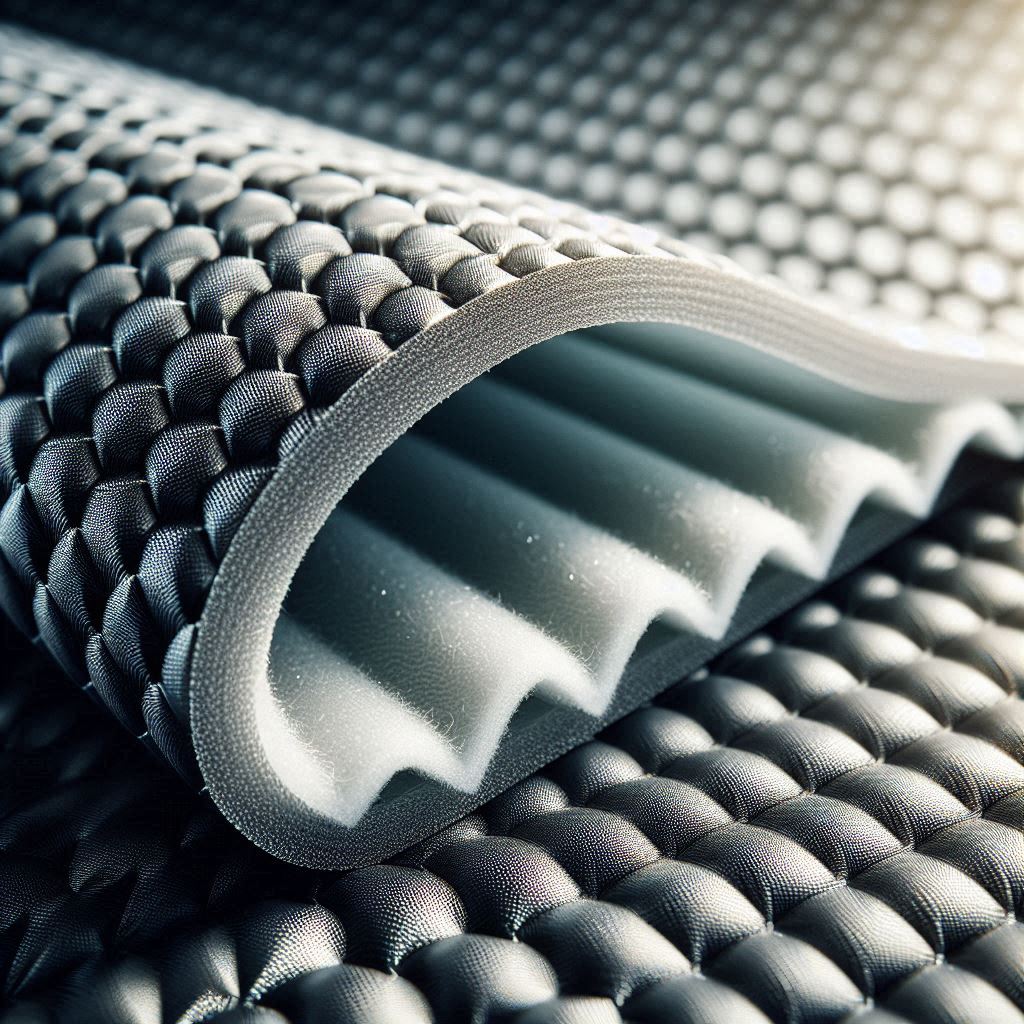
One key principle of dressing for the outdoors is understanding the role of layering. Properly layered clothing creates small pockets of “dead air” between each layer. This trapped air acts as insulation, keeping you warmer by reducing heat loss from your body. For example, a base layer wicks moisture away, the middle layer provides insulation, and the outer layer protects against wind and water. Dead air space enhances the insulating effect, making this system highly efficient in regulating body temperature.
Some outdoor enthusiasts hypothesize that optimizing dead air space through layering not only boosts comfort but also conserves energy, as the body doesn’t have to work as hard to maintain its core temperature. More advanced designs in outdoor apparel often focus on maximizing this effect while ensuring mobility and breathability for varied climates.
Synthetic Isn’t Always Bad
The debate between natural and synthetic materials often arises in outdoor gear discussions. While synthetic fabrics are sometimes vilified, they have their merits when chosen thoughtfully. Polyester and nylon, for example, offer excellent moisture-wicking properties and quick drying times, making them ideal for base layers.
The key is avoiding marketing traps that prioritize style over function. Instead, focus on materials that suit your needs and environment. Form always trumps fashion in the wild.
Material Types and Tailoring
- Material Types: Wool (great for insulation), cotton (use sparingly—retains moisture), and blends (combine strengths of materials).
- Threading Types: Tight weaves for windproofing, looser weaves for breathability.
- Tailoring Types: Flat seams to avoid chafing, reinforced stitching for durability.
- Preferred Layers: Base layer (moisture-wicking), insulating layer (warmth), outer shell (protection).
Synthetic Material Usage
Blending synthetic fibers with natural threads can enhance durability without sacrificing comfort. For example:
- Polyester blended with wool offers both warmth and moisture resistance.
- Nylon overlays on jackets improve windproofing and abrasion resistance.
Proofing: How It’s Done and Why It Matters
Ever wonder how that rain jacket keeps you dry? It’s all thanks to proofing, a process that makes fabrics resistant to water, wind, and even fire. Modern technology has made it easier to stay comfortable outdoors, with advanced waterproofing like Gore-Tex and fire-resistant coatings. But proofing isn’t new—our ancestors used beeswax and oils to weatherproof their clothes long before high-tech solutions.
Different types of proofing serve specific purposes. Waterproofing keeps rain out, windproofing shields against the chill, and fireproofing prevents burns from stray sparks near campfires. Some methods, like lanolin or wax, are still used today as eco-friendly alternatives to chemical coatings. It’s fascinating to see how old and new methods coexist, offering choices that suit different needs and values.
In scientific terms, waterproofing is measured in millimeters, with ratings above 10,000 mm indicating gear that can withstand heavy rain. Windproof fabrics reduce wind chill significantly, while fireproof materials are tested for their ignition points. Understanding these details helps you decide what kind of protection is right for your trip.
Types of Proofing:
- Waterproofing: Prevents water penetration. Early methods included wax or oil coatings, while today’s fabrics use advanced laminates.
- Windproofing: Blocks wind without compromising breathability, achieved through tight weaves or membranes.
- Fireproofing: Traditional methods involved soaking fabrics in fire-retardant solutions. Modern fireproof gear uses treated synthetic blends.
- Shockproofing: Rarely considered in clothing but integrated into accessories like gloves or protective gear.
Alternative/Traditional Methods: Beeswax or lanolin can still be used to waterproof materials naturally, offering eco-friendly alternatives to synthetics.
How Much Proofing Is Enough?
- Waterproofing: Measured in millimeters of water resistance. Aim for 5,000–10,000 mm for moderate conditions, 20,000+ mm for heavy rain.
- Windproofing: Look for windproof ratings above 50 CFM (cubic feet per minute) for high effectiveness.
Colors and Heat Absorption
Color plays a bigger role than you might think when it comes to outdoor clothing. Dark colors like black absorb heat, which can be a blessing in cold weather but a curse in the heat. Lighter shades like beige or khaki reflect sunlight, keeping you cooler. And if you’re in a situation where visibility matters—say, in a dense forest—bright colors like orange or red can make a big difference.
Camouflage: To Blend or Not to Blend
Camouflage might seem like the ultimate outdoor pattern, but it has its downsides. While it’s great for blending into the environment, it makes you harder to spot in emergencies. Even hunters can benefit from neutral but visible colors like olive green, which strike a balance between blending in and standing out.
Studies on fabric colors and heat absorption reveal surprising results. Black fabrics can absorb up to 70% more heat than white, while lighter colors show reduced insect attraction. Bugs, especially mosquitoes, are drawn to darker hues, so choosing the right color isn’t just about temperature—it’s also about keeping pests away.
Bonus: Avoiding Mosquitoes
To minimize mosquito bites, cover as much skin as possible with lightweight, breathable fabrics. Loose clothing deters insects from biting through the fabric. Mosquito nets or treated clothing with permethrin provide added protection.
Using Clothes for Utility
Outdoors, your clothes can do more than just cover you. A scarf can double as a sling, a jacket can be used as a pillow, and strips of fabric can even serve as makeshift bandages. Many outdoor enthusiasts swear by paracord bracelets or reinforced seams, which can be unraveled to create rope for building shelters or fixing gear.
Taking care of your clothes is equally important. Wet clothes should be dried carefully near a fire—but not too close! Synthetic fabrics can melt, and even natural fibers can scorch if exposed to high heat. A small sewing kit is another lifesaver, letting you repair tears or replace broken buttons on the go.
Research into fabric resilience shows that natural fibers like wool hold up better under heat, while synthetic fabrics excel in water resistance. Combining these strengths in your gear ensures you’re ready for anything without putting your clothes—or yourself—at risk.
Outdoor clothing can serve purposes beyond protection. A few examples:
- Bandages: Use strips of fabric for temporary first aid.
- Paracords: Threads from certain materials can be unraveled for survival needs.
- Drying Wet Clothes: Lay damp clothes on rocks or hang near a fire—carefully to avoid burns.
- Sewing Repairs: Bring a compact sewing kit for quick fixes.
- Fire Safety: Avoid exposing synthetic fabrics to flames; stick to natural fibers for tasks near fire.
Closing Statements
Dressing for the outdoors is about more than looking good—it’s about respecting and adapting to nature’s demands. With the right materials, layering strategies, and attention to detail, you can stay comfortable, safe, and prepared. When you dress to impress nature, you ensure your adventure is as seamless as your attire.

 EVERWILD ADVENTURES
Leave a comment