Camping alone can feel like stepping into the unknown. It’s normal to have fears—whether it’s being alone, facing nature, or simply the unexpected. But solo camping is more than an adventure; it’s an opportunity to grow, discover, and reconnect with yourself and the world around you. It’s not about isolation—it’s about empowerment.
In this guide, we’ll explore how preparation, self-encouragement, practical skills, and an appreciation for nature can transform doubts into confidence. Let’s unravel the art of solo camping step by step.
Disclaimer: However, don’t be fooled by wildlife professional videos. Those who go out to a place which there is no human settlement for miles and miles, those people are, I repeat, professionals. Just like some other disclaimers you see like “do not try this at home”, you should not try to “really survive” without extensive experience, proper education, and proper body/mind condition. The things we are mentioning here are just for camping.
1. Preparation: The Foundation of Confidence
Research Your Destination
- Choose a beginner-friendly campsite with marked trails and nearby facilities.
- Research the terrain, weather, and wildlife. Know what to expect to avoid surprises.
Packing Essentials
- A durable tent, sleeping bag appropriate for the season, and a reliable backpack are key.
- Pack layers of clothing to adapt to changing temperatures, along with rain gear.
- Don’t forget a first-aid kit, headlamp, extra batteries, and plenty of snacks.
Safety First
- Share your itinerary with someone you trust and check in when you’re back.
- Download offline maps and save emergency numbers for the area.
- Learn basic first aid to handle minor injuries confidently.
2. Building Practical Survival Skills
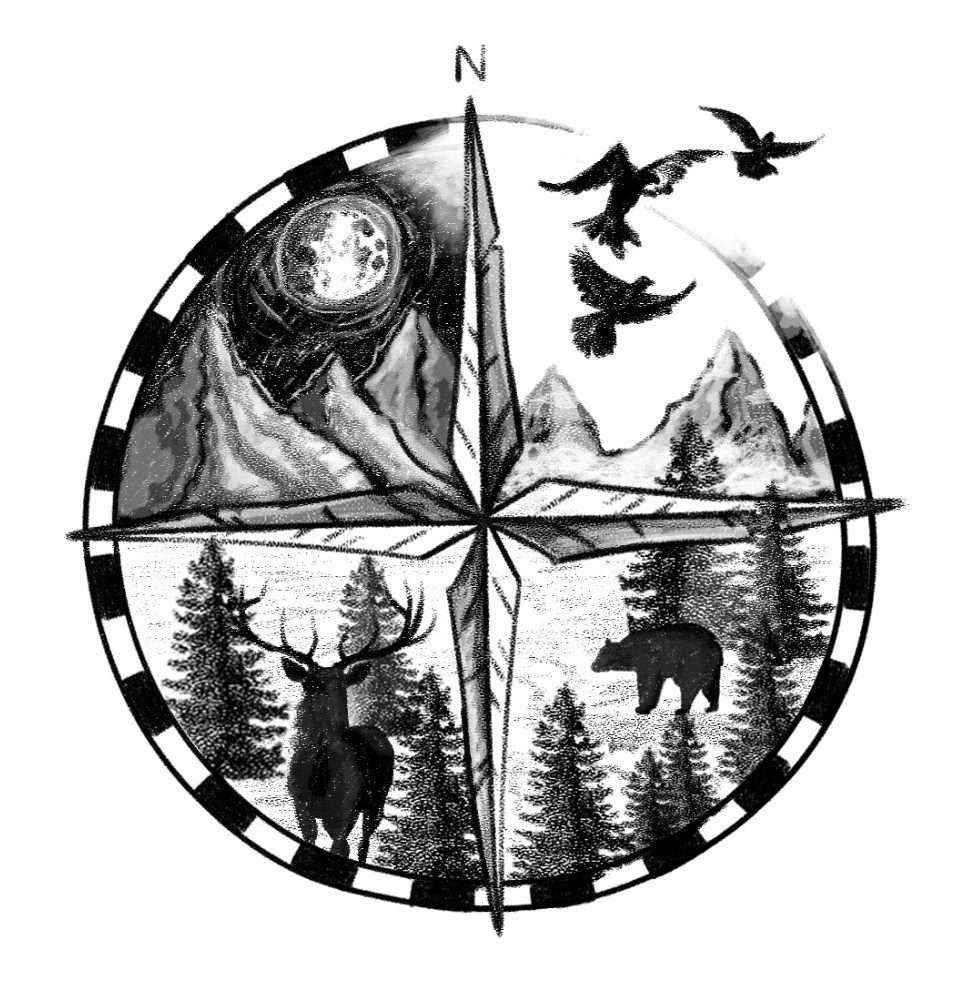
Master Map Reading and Compass Use
- While GPS devices are handy, understanding maps and compasses is crucial in case technology fails.
- Practice finding landmarks and orienting yourself before your trip.
Finding Orientation in the Wild
- Use natural cues like the sun’s position during the day or constellations at night.
- Learn tricks like the shadow stick method or finding moss growth, which can help in navigation.
3. Tackling Environmental Challenges
How to Stay Comfortable in Any Weather
- In cold climates: Dress in layers, including a moisture-wicking base, an insulating layer, and a waterproof outer shell.
- In hot climates: Wear breathable fabrics, a wide-brim hat, and sunscreen. Stay hydrated and rest in the shade during peak heat.
Avoiding Bug Bites and Wildlife Risks
- Apply insect repellent and wear long sleeves and pants in buggy areas.
- Store food securely and away from your campsite to avoid attracting animals.
Water Filtration and Hydration
- Carry a portable water filter, purification tablets, or a UV purifier.
- Know how to locate and filter natural water sources safely.
4. Self-Encouragement: Facing Doubts with Confidence
- Start Small: Try a single overnight trip at a well-known campsite before tackling remote locations.
- Mental Preparation: Acknowledge your fears but focus on your reasons for going. Visualize the peaceful moments you’ll experience.
- Affirm Your Abilities: Remind yourself of the skills you’ve built, the gear you’ve prepared, and the excitement of this new challenge.
5. Physical Readiness: Preparing Your Body for Adventure
- Hiking Prep: Practice hiking with a weighted backpack to simulate your camping load.
- Set-Up Drills: Practice pitching your tent and using your gear before heading out.
- Know Your Limits: Plan your trip around your current fitness level and allow for rest breaks.
6. The Mental Benefits of Solo Camping
- Solo camping fosters mindfulness. With no distractions, you’ll find yourself attuned to the rustle of leaves, the flow of a stream, or the sound of your own breath.
- It builds resilience by teaching you how to handle challenges independently.
- It’s a reset button for the soul, giving you clarity, perspective, and a renewed sense of self.
7. Finding Serenity in Solitude
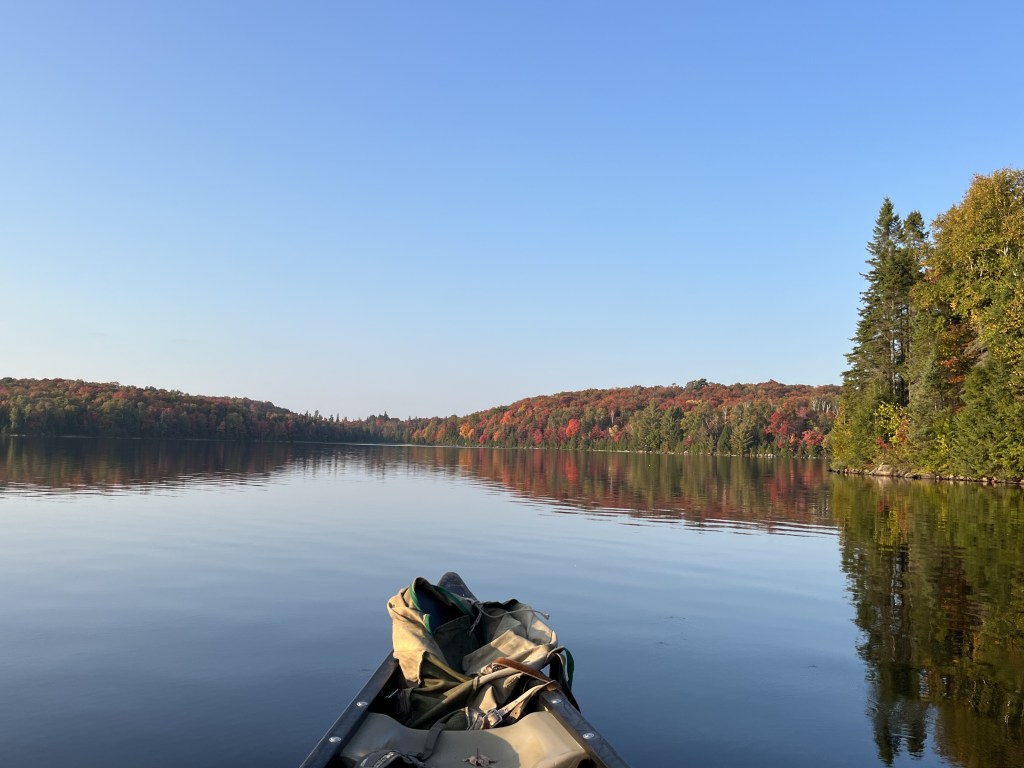
Picture this: Waking up to a sunrise painting the sky in gold, the stillness broken only by birdsong. Sitting under a starlit sky with no artificial lights in sight. Solo camping isn’t just a trip—it’s a sensory experience. It’s about finding peace in the simplicity of nature and pride in your ability to thrive in it.
Sure, the idea of camping alone might feel intimidating, but it’s also incredibly rewarding. The preparation you put in, the skills you learn, and the serenity you experience will make it a journey you’ll never forget.
So take the leap. Pack your bag, step into the woods, and let nature remind you of your strength and independence. You’ll return not just with memories but with a newfound confidence that will carry into every aspect of your life.

 EVERWILD ADVENTURES
Leave a comment