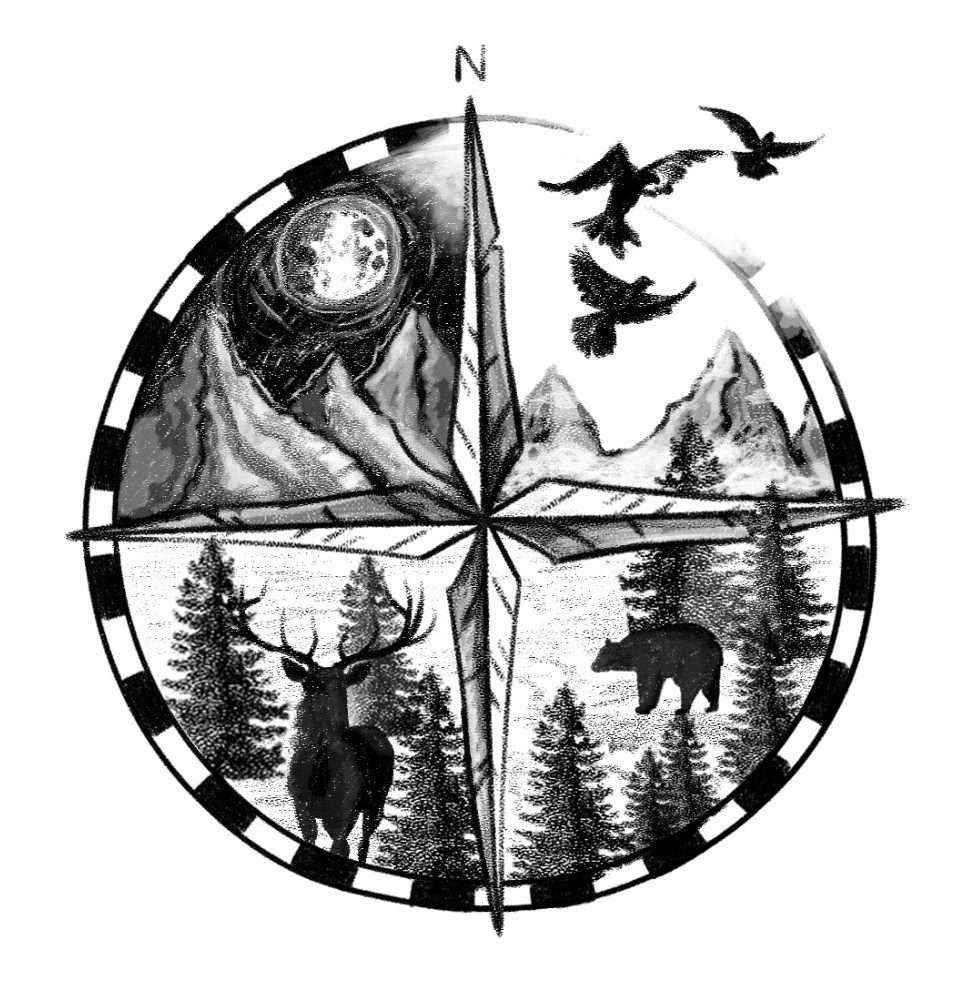

Nature is full of beauty that captivates and inspires us. Majestic mountains, vibrant flowers, and intricate patterns on butterfly wings all evoke a sense of awe. But in the wild, beauty isn’t just for admiration; it’s a tool, a strategy, and sometimes even a weapon. It plays a crucial role in survival, reproduction, and even deception. Yet, alongside this celebration of beauty arises another question: What is ugly to nature? If beauty serves nature’s purposes, does ugliness disrupt them? Let’s explore how beauty functions in the natural world and how we, as humans, perceive its opposite.
Beauty as Attraction: The Evolutionary Advantage
In nature, beauty often serves as a beacon. Bright colors, symmetrical shapes, and enticing fragrances have evolved to attract attention in ways that enhance survival and reproduction.
- Pollination and Seed Dispersal: Flowers flaunt their vivid colors and patterns to draw in pollinators like bees and butterflies. These creatures are lured by visual and olfactory cues, ensuring the plant’s reproductive success. Similarly, fruits display their ripeness with bright hues, signaling animals to eat them and unknowingly spread their seeds.
- Mate Selection: Among animals, beauty often indicates health, vitality, or genetic fitness. The vibrant plumage of a peacock or the symmetrical antlers of a stag signal to potential mates that the individual is strong and worth choosing. This beauty, judged by evolutionary standards, plays a critical role in passing on genes.
Beauty as Deception: The Predator’s Weapon
Not all beauty is benign. In many cases, it’s used to deceive and trap unsuspecting prey or manipulate other organisms.
- Camouflage and Mimicry: Predators like the orchid mantis use their beauty to mimic flowers, luring pollinators within striking distance. Similarly, some plants and fungi mimic the appearance of other, more beneficial species to exploit the behaviors of animals or insects.
- Lures in the Dark: In the depths of the ocean, the anglerfish’s glowing lure attracts prey, who mistake the light for a harmless beacon. This chilling example of beauty highlights how what’s attractive can sometimes be deadly.
Here, beauty serves not just as a tool of survival but as a weapon, underscoring nature’s capacity for both elegance and ruthlessness.
What Is Ugly to Nature?
While humans often impose subjective standards of beauty on the natural world, nature itself doesn’t recognize “ugliness” in aesthetic terms. For nature, functionality is paramount. However, there are instances where something might be considered “ugly” in functional or ecological terms.
- Illness and Dysfunction: In the wild, animals with visible signs of disease or deformity are often avoided by their peers. This isn’t cruelty but a survival mechanism. A sick or weakened animal may pose a risk to the group, whether through contagion or as an easy target for predators.
- Pollution and Disruption: The ugliest marks in nature are often those left by human activity. Trash-strewn beaches, oil-slicked waters, and barren deforested lands are jarring interruptions of natural harmony. Unlike nature’s forms of beauty or even functional ugliness, these disruptions add no ecological value—they only harm.
- Invasive Elements: From an ecological standpoint, invasive species or materials that disrupt natural balance could be considered “ugly.” They may upset the equilibrium of ecosystems, choking out native species or altering landscapes in ways that don’t align with natural processes.
Beauty and Ugliness Through a Human Lens
Humans have a tendency to impose cultural and personal biases on what is beautiful or ugly in nature. For example:
- Symmetry vs. Asymmetry: We often equate symmetry with beauty and associate asymmetry with imperfection. Yet in nature, asymmetry frequently arises from adaptations to unique environments, and it’s no less functional or valuable.
- Pristine vs. Untamed: Humans often romanticize “pristine” landscapes, viewing untouched wilderness as beautiful. Conversely, dense, chaotic, or swampy areas may be deemed unpleasant. But nature thrives in all forms, whether in the orderly lines of a forest or the wild tangle of a mangrove swamp.
- Industrial Aesthetics: Ironically, what humans create in their search for beauty often clashes with nature. Glittering skyscrapers and carefully manicured gardens reflect our aesthetic ideals but often ignore ecological consequences, making them “ugly” to the natural systems they disrupt.
Reckoning With Beauty and Ugliness
The relationship between beauty, ugliness, and nature is deeply interwoven with purpose and function. Beauty in nature is rarely superficial; it serves specific roles that enhance life, whether by attracting mates, enabling survival, or deceiving prey. Ugliness, on the other hand, emerges when natural processes are disrupted—most often by human activity.
As stewards of the planet, we face a moral question: how can we ensure our own creations harmonize with nature’s beauty rather than impose “ugliness” upon it? This requires:
- Recognizing Functional Beauty: Even the seemingly ugly parts of nature, like decay or predation, serve a purpose. By understanding and respecting these processes, we can align our actions with nature’s rhythms.
- Minimizing Disruption: Pollution, habitat destruction, and invasive practices create ecological ugliness. Through sustainable practices, we can reduce these harms and allow nature’s beauty to thrive.
- Redefining Aesthetics: True beauty lies in harmony. When our designs, technologies, and practices coexist with natural systems, they contribute to a more beautiful and balanced world.
Conclusion
Nature’s beauty isn’t just an aesthetic quality—it’s a function, a weapon, and a signal. Understanding this deeper role of beauty allows us to see the wild world in a richer light. At the same time, the “ugliness” we bring to nature forces us to reflect on our impact. In the end, the most beautiful thing we can do is strive for coexistence, creating a world where both human and natural creations enhance, rather than oppose, each other. By valuing the beauty of nature—not just in appearance but in purpose—we might find our way back into the ecosystem as creators of harmony rather than disruption.
 EVERWILD ADVENTURES
Leave a comment