Food plays a huge role in making your camping trip enjoyable and successful. Whether you’re hiking through the forest, setting up your tent, or simply soaking in the views, the right food choices give you the energy to thrive in the great outdoors.
But how much food should you pack? What kind of meals work best? How do you keep food fresh and safe, especially in nature? Don’t worry—we’ve got you covered. This guide will walk you through all things food for camping, helping you feel prepared, nourished, and ready for adventure!
How Much Food Should You Bring?
Know Your Energy Needs
The amount of food you need depends on how active you’ll be. Here’s a general guideline:
- Light activities (relaxing, short walks): ~8,500–10,000 kJ per day.
- Moderate hiking or active days: ~10,000–14,500 kJ per day.
- Strenuous activities (long hikes, climbing, backpacking): ~14,500–21,000 kJ per day.
How to Estimate Your Portions
- Pack about 700–900 g of food per person, per day, depending on your activity level.
- Always bring a little extra food in case of delays or emergencies, but don’t overpack—your back will thank you!
Keep It Interesting: Food Variety Matters
Balanced Nutrition
- Carbs: For quick energy (instant noodles, rice, couscous, dried fruits).
- Proteins: For muscle repair and satiety (canned beans, tuna, eggs, jerky).
- Fats: For long-lasting energy (nuts, seeds, cheese, olive oil).
Add Freshness
While most camping food is shelf-stable, adding some fresh elements can elevate your meals. Durable produce like apples, carrots, and peppers can last a couple of days without refrigeration.
Snacks to Keep You Going
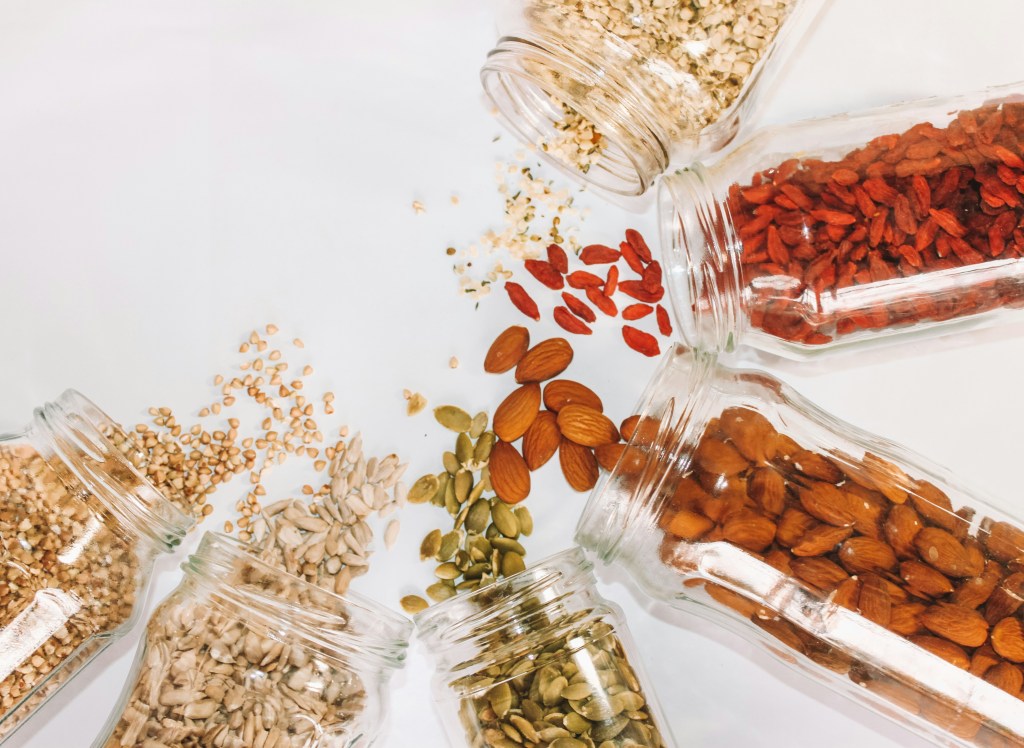
- Dried fruit like mango, banana, or apricots for a sweet pick-me-up.
- Trail mix (nuts, seeds, dried fruit).
- Energy bars or oat bars.
Keeping Your Food Safe and Fresh
Transporting Food
- For Short Trips: Use a small cooler with frozen water bottles or ice packs to keep perishables fresh.
- For Longer Trips: Stick to non-perishables like dried or freeze-dried meals.
Preventing Spoilage
- Vacuum-seal or use airtight containers to keep food fresh and protected from moisture.
- Store food in a shaded area, away from direct sunlight.
Smart Packing Tips
- Organize food in resealable bags or lightweight containers.
- Divide food into daily portions to avoid overpacking or running out early.
- Keep a separate bag for trash and food scraps—leave no trace!
High-Energy Foods and Their Calorie Content
Here’s a quick breakdown of some compact, calorie-dense camping foods:
- Peanut Butter: ~2,500 kJ per 100 g.
- Trail Mix: ~2,000 kJ per 100 g.
- Beef or Turkey Jerky: ~1,000 kJ per 50 g.
- Instant Oats: ~1,600 kJ per 100 g (dry).
- Energy Bars: ~1,000–1,300 kJ each.
- Canned Tuna: ~500 kJ per 100 g.
- Rice or Pasta: ~1,500 kJ per cooked 150 g portion.
- Cheese (hard): ~1,700 kJ per 100 g.
These foods are lightweight, easy to pack, and give you plenty of energy for your outdoor adventures.
How Many Calories Do Camping Activities Burn?
Your energy expenditure depends on what you’re doing. Here’s a rough idea of how much energy common camping activities can burn per hour:
- Hiking: 1,000–2,500 kJ, depending on terrain and speed.
- Setting Up Camp: 600–1,000 kJ.
- Cooking and Cleaning: ~400–600 kJ.
- Backpacking (with a loaded pack): 1,700–2,900 kJ.
Knowing this can help you plan your meals around the level of activity each day.
Going Gourmet: Complex Meals in the Outdoors
Camping doesn’t mean you’re stuck with instant noodles and granola bars! With a little prep, you can enjoy hearty, complex meals even in the wild:
- Stir-Fry with Fresh Veggies: Pre-chop veggies at home and pack a small bottle of soy sauce. Use quick-cooking noodles for an easy, satisfying dish.
- Campfire Stew: Combine canned beans, vegetables, and pre-cooked sausage in a pot over the fire. Add spices for flavor.
- Breakfast Burritos: Wrap scrambled eggs, cheese, and pre-cooked bacon or beans in tortillas. Warm them on a pan or foil over the campfire.
- Pizza Pockets: Use flatbread, tomato sauce, cheese, and toppings to make pocket pizzas wrapped in foil and heated over coals.
A lightweight camping stove or portable grill can make cooking easier and open up endless meal options.
How Did They Do It? Food Preservation in History
Before modern coolers and vacuum-sealing, people relied on ingenious methods to preserve food:
- Drying: Removing moisture was one of the most effective ways to preserve food. Think dried meats (like biltong or jerky) and dried fruits.
- Salting: Salt drew out moisture and prevented bacteria from growing. It was especially common for preserving fish and meat.
- Smoking: Smoking added flavor while preserving meat and fish by drying them and coating them with protective oils.
- Fermentation: Foods like sauerkraut or kimchi preserved vegetables while adding a probiotic boost.
- Pemmican: A mix of dried meat, fat, and sometimes berries, pemmican was a staple for indigenous peoples and explorers.
While we don’t need to rely on these methods today, they’re fascinating reminders of how humans adapted to live off the land. Some, like jerky and dried fruits, remain camping staples for good reason!
Tips for Smart Meal Planning
- Prep at Home: Chop veggies, marinate proteins, or pre-cook meals before you go.
- One-Pot Wonders: Meals like pasta, stews, or stir-fries save time and reduce cleanup.
- Test Your Gear: Make sure you know how to use your camp stove, filters, and other cooking tools before heading out.
- Stay Hydrated: Water is just as important as food! Bring a good filtration system and always have water available.
Bon-a-Petit
Feeding yourself well in the wild doesn’t have to be complicated. By planning your meals carefully, bringing the right amount of food, and understanding your energy needs, you can enjoy delicious, nutritious meals while staying fueled for adventure.
So, pack up your favorite snacks, prep your gear, and embrace the joy of cooking (and eating!) in nature. The wilderness awaits, and it’s hungry for your presence.

 EVERWILD ADVENTURES
Leave a comment