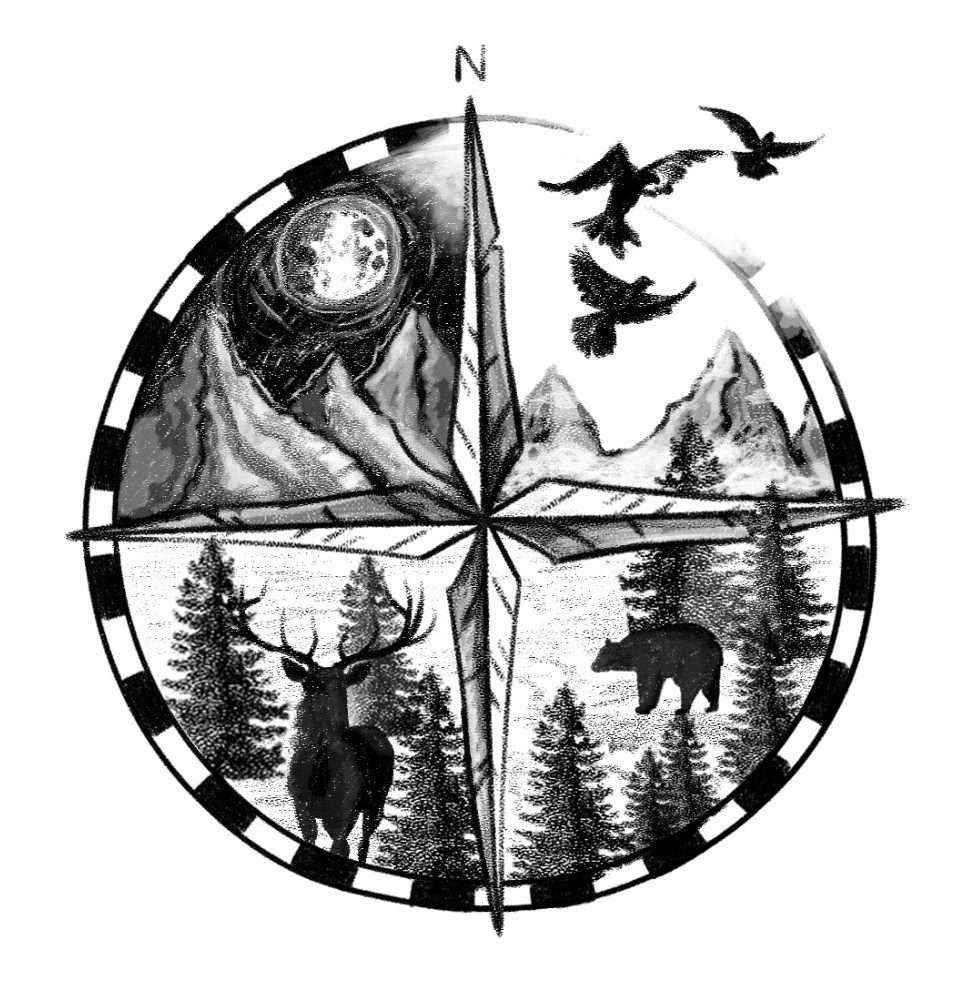

There’s nothing quite like the comforting crackle of a campfire. It’s more than just a source of warmth and light—it’s a gathering place, a cooking tool, and a gateway to countless stories told under starlit skies. But have you ever wondered what’s behind the magic of those flames?
In this post, we’ll explore the science and art of campfires: what makes them crackle, the stages of a fire, how different types of wood influence the flames, and tips for building a safe, efficient, and enjoyable fire.
The Science of a Crackling Campfire
Why Does Wood Crackle?
The delightful sound of crackling wood is all about water and air. Here’s what happens:
- Moisture Evaporation: Even “dry” firewood contains some water. When heated, the water turns to steam and escapes the wood, creating pressure. This pressure buildup can cause small bursts or pops.
- Air Pockets in the Wood: Natural pockets of air in the wood expand as they heat up, leading to mini-explosions that create the familiar crackling sounds.
- Resins and Sap: In certain woods like pine, resins and sap heat up and boil, leading to more dramatic popping sounds.
The crackling isn’t just a sound; it’s a sign of the complex chemical processes at work.
The Stages of a Campfire
A good fire doesn’t just “happen.” It evolves through stages:
1. Ignition
- This is the starting phase, where a spark or flame lights tinder (like dry grass or small twigs). At this stage, oxygen is crucial for sustaining the flame.
2. Growth
- The flame spreads to kindling (slightly larger sticks), and the fire begins to grow in size and intensity. This is when the fire becomes self-sustaining.
3. Full Development
- Once the fire reaches its peak, the larger logs catch fire, producing steady heat, light, and those hypnotic flames we love.
4. Smoldering and Extinguishment
- When the wood is mostly reduced to embers, the fire produces radiant heat and less flame. Without fuel or oxygen, it eventually dies out.
Choosing the Right Wood for the Best Campfire
Not all wood burns the same! The type of wood you use impacts the fire’s crackling sound, heat, and burn duration.
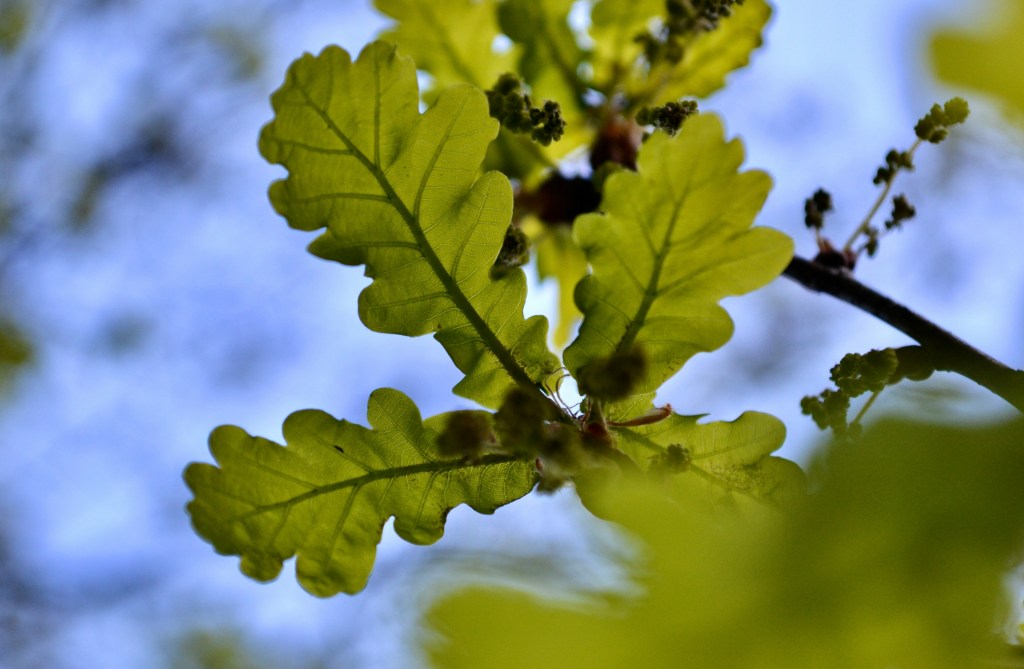
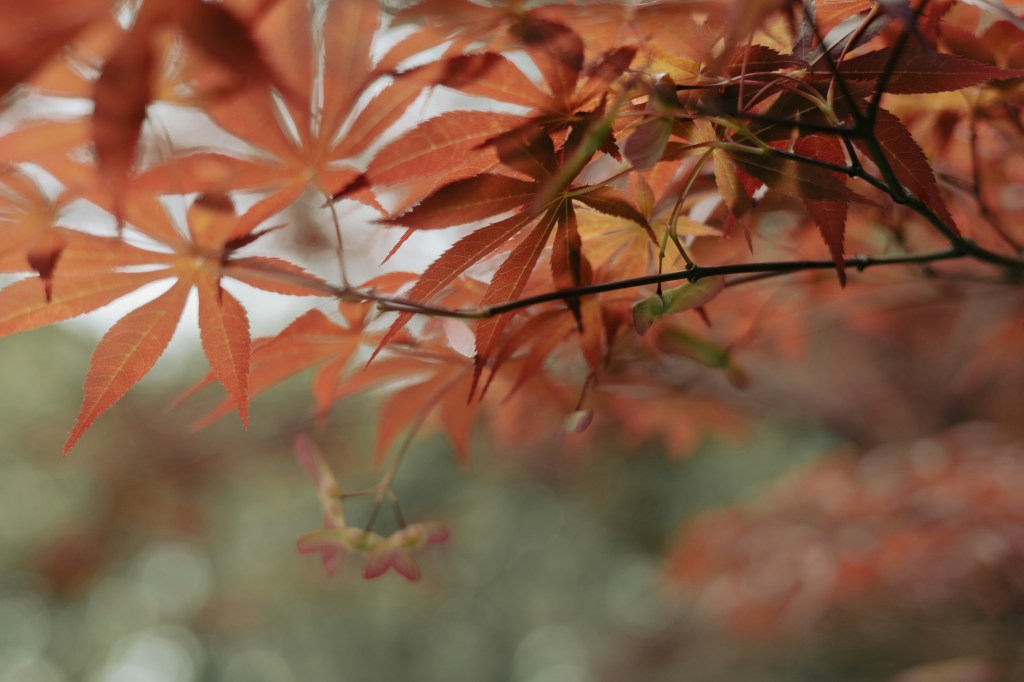
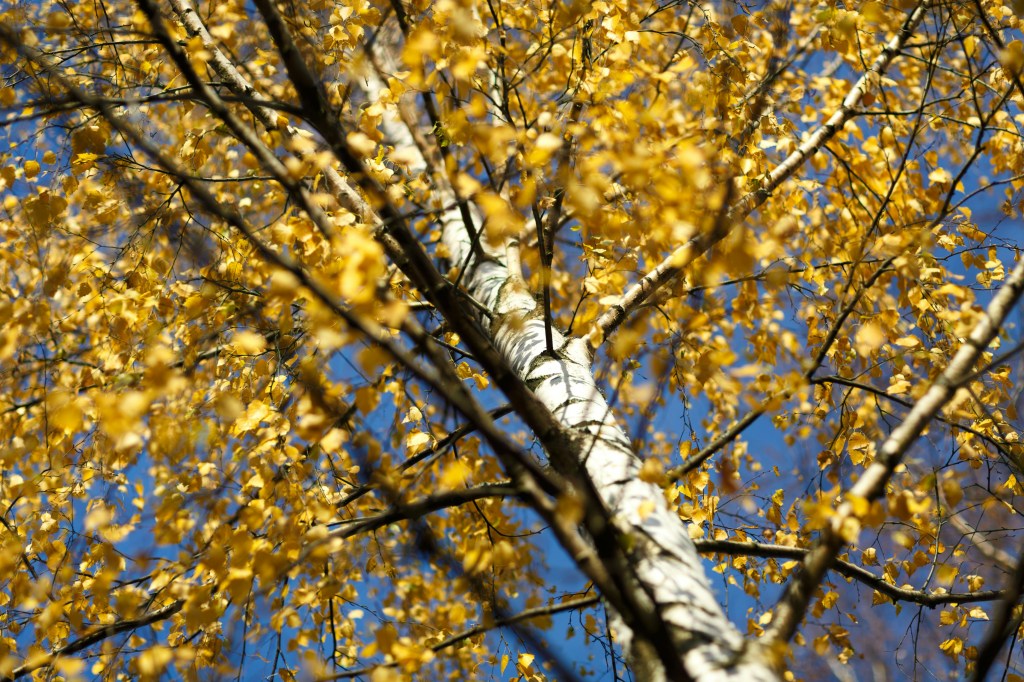
Hardwoods
- Examples: Oak, maple, birch, ash.
- Benefits: Burns hotter and longer with less smoke. Great for cooking or long-lasting warmth.
- Sound: Minimal crackling, producing a steady, quiet burn.
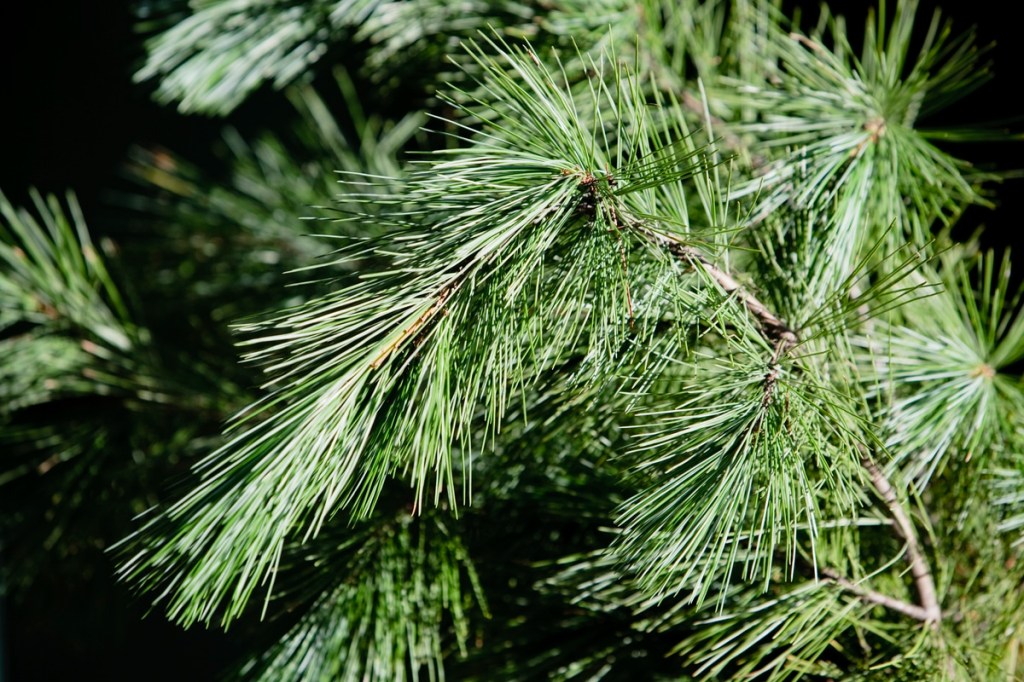
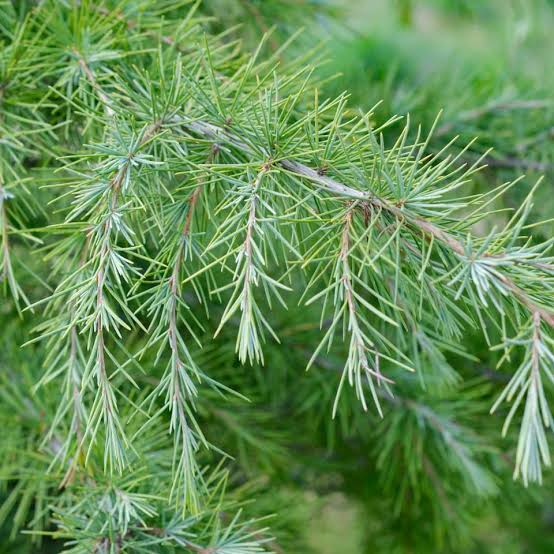
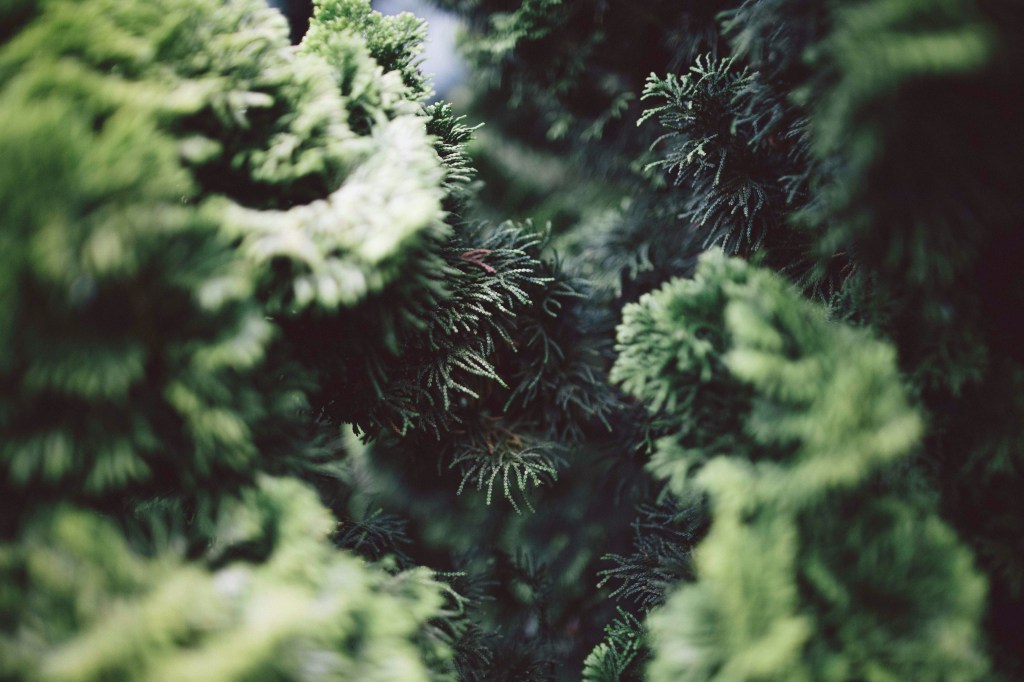
Softwoods
- Examples: Pine, spruce, cedar.
- Benefits: Easy to ignite, burns quickly, and creates bright flames.
- Sound: Lots of crackling and popping due to high resin content.
Avoid These
- Wet or Green Wood: Produces excessive smoke and struggles to burn.
- Treated Wood: Releases harmful chemicals when burned.
Building the Perfect Campfire
A well-constructed fire burns efficiently and minimizes smoke. Try these methods:
The Teepee Fire
- Arrange small sticks in a cone shape, leaving space for air circulation.
- Place tinder (like dry grass or paper) at the center and light it.
- As the fire grows, add larger logs.
The Log Cabin Fire
- Lay two large logs parallel to each other.
- Place smaller logs on top, perpendicular to the bottom logs, forming a square.
- Fill the center with tinder and kindling, then light it.
The Star Fire
- Lay logs in a star pattern, with their ends meeting in the middle.
- Light the center and gradually push logs inward as they burn.
- This is great for conserving fuel and creating a steady burn.
Safety First: Campfire Tips
- Choose a Safe Location: Use designated fire pits or clear an area of debris.
- Keep It Contained: Surround your fire with rocks or use a metal fire ring.
- Never Leave It Unattended: Always supervise your fire.
- Extinguish Completely: Pour water over the fire and stir the ashes until cool to the touch.
The Cultural and Emotional Role of Campfires
Campfires have been central to human gatherings for millennia. From ancient times when they were essential for survival to modern camping trips where they provide a sense of connection, campfires hold a unique place in our hearts. The crackling sounds, warm glow, and smoky scent create an atmosphere of relaxation and community.
In Fire We Trust…
The next time you sit by a campfire, take a moment to appreciate its dynamics—from the crackling wood to the roaring flames. Whether it’s the science behind the sounds or the joy of gathering with friends and family, campfires are a timeless part of the outdoor experience.
So go ahead, build a fire, and let the crackles and pops serenade your evening. Nature’s orchestra is ready to play!
BONUS: FOLKLORE TIME!
1. Crackling Fires Predict the Weather
One popular legend says that the sound of a campfire can forecast the weather:
- Louder Crackles: Indicate incoming rain or bad weather. The idea is that moisture in the air gets absorbed by the wood, causing more intense crackling.
- Quiet Fire: Suggests dry and clear conditions.
While there’s some truth to the connection between wood moisture and weather, the fire itself isn’t a reliable meteorological tool. It’s more of an old camping tale passed down through generations.
2. Spirits Communicating Through the Fire
In various cultures, the crackling and popping of a fire are believed to be the voices of spirits:
- In some Native American traditions, the sounds are thought to be ancestors or spirits sharing wisdom or warnings.
- In Scandinavian folklore, the crackles might be interpreted as elves, trolls, or forest spirits reacting to human presence.
This belief adds a mystical element to sitting by a campfire, making it a gateway to the unseen world for those who believe in such tales.
3. The Curse of Green Wood
A campfire superstition warns against using “green wood” (freshly cut, unseasoned wood) for a fire. Some legends claim it’s bad luck to burn wood that hasn’t been allowed to dry, as it “angers” the forest. The excessive crackling and smoke are said to be the forest expressing its displeasure.
In reality, green wood just burns poorly, creates a lot of smoke, and pops because of its high moisture content—but the superstition persists!
4. Crackling Fires Summon Beasts
A common campfire horror story suggests that loud, crackling fires can attract wild animals. Some believe the sounds mimic the noises of small animals or injured prey, potentially luring predators like bears or wolves to the campsite.
While animals are more likely to be repelled by the sight and smell of fire, this legend often serves as a cautionary tale for campers to keep fires small and manageable.
5. The Fire Tells Stories
In some traditions, the rhythm and intensity of the crackling are thought to tell a story. People would listen closely to interpret the “language” of the fire, believing it could reveal omens, foretell the future, or recount events from the past.
6. Crackles Signal Hidden Treasure
An old European legend suggests that if a fire crackles unusually loudly, it could mean treasure is buried nearby. The belief was that the earth’s energy, disturbed by hidden riches, somehow influenced the flames.

 EVERWILD ADVENTURES
Leave a comment