Camping offers more than just an escape from the chaos of city life—it provides a reset for our body and mind. But what actually happens to us when we trade skyscrapers and traffic for trees and campfires? The transition from urban to natural environments has profound effects, ranging from immediate physiological changes to lasting mental benefits. Let’s explore these changes under three categories: physiological effects, mental effects, and short- and long-term impacts.
1. Physiological Effects
A Breath of Fresh Air
City air is often heavy with pollutants such as carbon monoxide, nitrogen oxides, and particulate matter from traffic, factories, and other sources. When you venture into nature, you leave this toxic environment behind and breathe in clean, oxygen-rich air. This fresh air contains fewer pollutants, reducing strain on your lungs and improving overall respiratory health. Increased oxygen intake also boosts energy levels and mental alertness. People who spend time in nature often report feeling an immediate sense of vitality.
Additionally, natural air often carries beneficial compounds called phytoncides, released by trees and plants. These substances have antimicrobial properties and can enhance immune function, making your body better equipped to fight off infections.
Sensory Awakening
The sensory overload of urban life—constant traffic noise, glaring screens, and artificial lighting—leaves our senses dulled. When camping, we’re immersed in natural stimuli that recalibrate our sensory systems. Instead of honking horns, you’ll hear the gentle rustling of leaves or the calls of birds. The scent of fresh pine or damp earth replaces the smell of asphalt and exhaust.
Visually, the lack of light pollution allows you to marvel at the night sky, with stars visible in their full glory. This sensory recalibration not only brings relaxation but also heightens our awareness and connection to the environment around us.
Increased Physical Activity
Camping encourages movement in ways that feel organic and enjoyable. Whether you’re hiking through trails, setting up a tent, or gathering firewood, you’re engaging your body in physical activity. These movements improve cardiovascular health, increase muscle strength, and burn calories. For instance:
- Hiking: Walking on uneven terrain for an hour burns approximately 400-500 calories, depending on intensity and body weight.
- Setting Up Camp: Activities like pitching a tent or organizing supplies engage your arms, shoulders, and core muscles.
- Chopping Wood: Swinging an axe not only provides warmth but also serves as an excellent upper body workout.
This natural exercise improves endurance and balance without the monotony of gym routines, making fitness fun and rewarding.
Resetting Sleep Patterns
In urban environments, exposure to artificial light—especially blue light from screens—disrupts our circadian rhythms, the internal clock that governs our sleep-wake cycles. Camping provides an opportunity to reset this rhythm. Natural light exposure during the day and the absence of artificial lighting at night signal to your body when it’s time to wake up and wind down.
As a result, many people experience deeper and more restorative sleep while camping. Falling asleep to the soothing sounds of nature, like the crackling of a fire or the chirping of crickets, further enhances relaxation and sleep quality.
2. Mental Effects
Stress Reduction
The constant demands of urban life—emails, traffic jams, and the endless buzz of notifications—keep our stress levels elevated. Nature acts as a counterbalance, reducing cortisol (the stress hormone) levels and promoting a state of calm. Studies have shown that even short-term exposure to green spaces can lower blood pressure and heart rate.
The act of camping itself contributes to this stress relief. Tasks like starting a fire or cooking outdoors shift your focus to the present moment, fostering mindfulness and easing mental tension. The slower pace of life in nature helps you unwind and recharge.
Improved Focus and Clarity
Urban living often leads to mental fatigue due to constant multitasking and information overload. Camping allows your brain to rest and recover from this cognitive strain. Without the distraction of social media or work emails, you can fully engage with your surroundings.
Research shows that spending time in nature improves attention spans and problem-solving abilities. This phenomenon, known as “attention restoration theory,” suggests that the restorative properties of natural environments help refresh our mental capacities. Many campers find they return to their daily lives with a clearer mind and a renewed sense of purpose.
Boost in Mental Well-Being
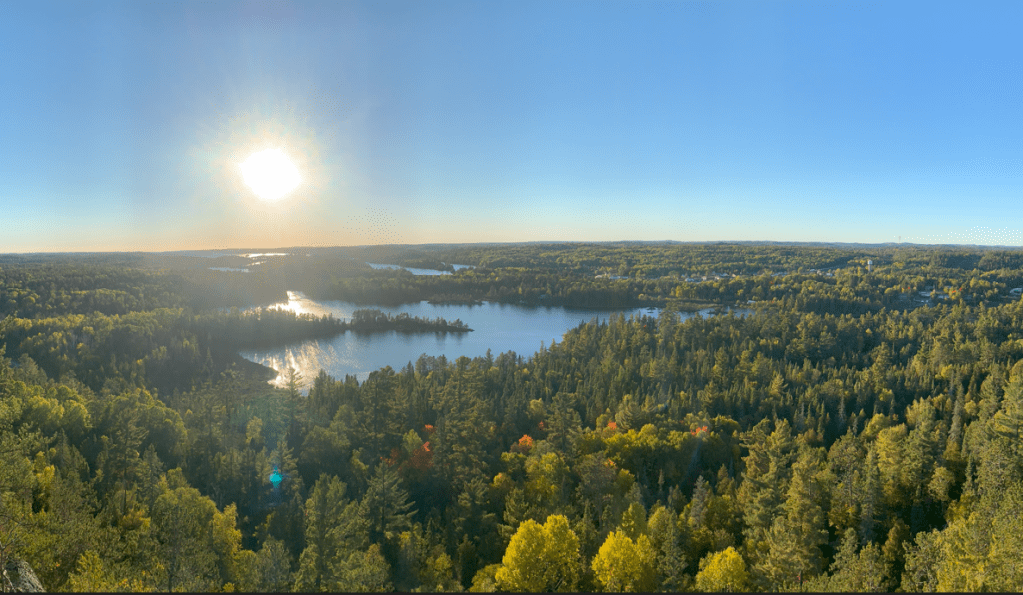
The serenity of nature provides a significant emotional lift. The beauty of a sunrise over a misty lake or the sound of a babbling brook can evoke feelings of awe and gratitude. These experiences stimulate the release of serotonin and dopamine, the brain’s “feel-good” chemicals, reducing anxiety and promoting happiness.
Moreover, the simplicity of life in the outdoors fosters a sense of accomplishment and self-reliance, further boosting self-esteem and mental resilience.
3. Short- and Long-Term Effects
Short-Term Benefits
- Improved Mood: Even a single day in nature can dramatically reduce stress and enhance mood. The change of scenery provides a quick mental reset.
- Tech Detox: Disconnecting from digital devices allows your brain to recharge and helps you be more present in the moment.
- Immune Boost: Breathing in phytoncides and spending time in fresh air enhances immune function almost immediately.
Long-Term Benefits
- Strengthened Immune System: Regular exposure to the diverse microbes in nature trains your immune system, making it more adaptable and resilient.
- Sustainable Fitness Habits: Camping fosters a love for outdoor activities, encouraging people to incorporate hiking, biking, or walking into their routines.
- Mental Resilience: Spending time outdoors consistently helps build emotional strength, improving your ability to manage stress and challenges in daily life.
Recalibration: Complete!
Transitioning from the cityscape to the campsite is more than a change of scenery—it’s a transformation for your body and mind. From breathing cleaner air and engaging in physical activity to resetting sleep cycles and improving mental clarity, camping reconnects us with a healthier, more balanced way of living.
Whether you’re a seasoned camper or a city dweller looking for a change, remember: nature is more than a getaway; it’s a gateway to a better you.


 EVERWILD ADVENTURES
Leave a comment