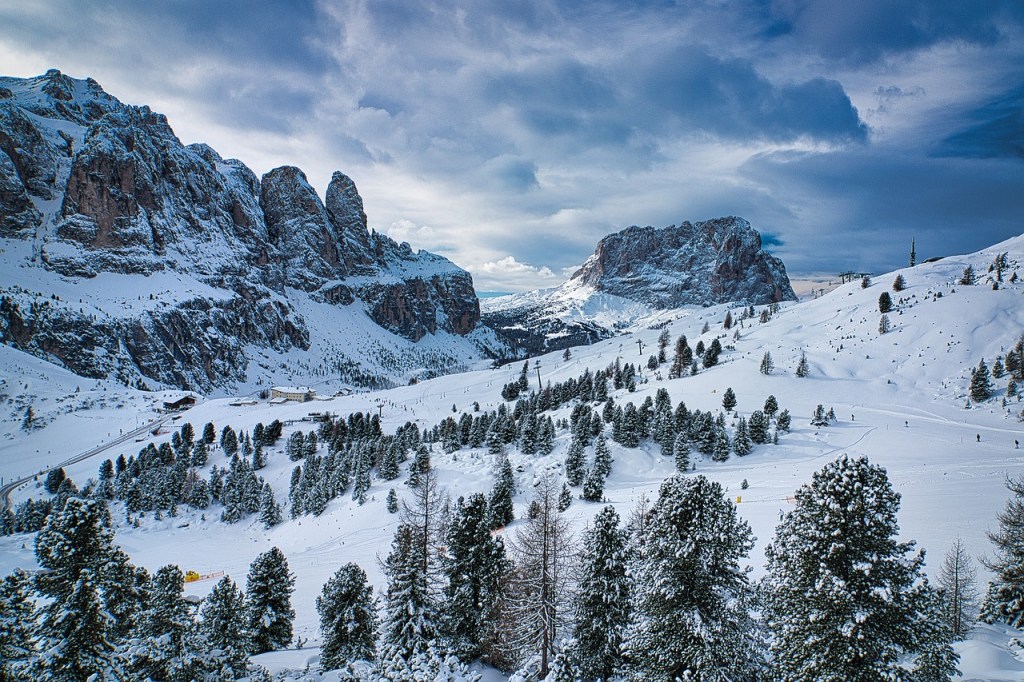
Snow might look like a fluffy blanket of white, but it’s a dynamic, ever-changing medium that can influence every aspect of winter camping and survival. Understanding the science behind snow—its structure, types, and behavior—can make your winter adventures safer and more efficient. From recognizing the right snow for shelter-building to navigating difficult terrain, the physics of snow is something every camper should know.
The Science of Snow Formation
Snow forms when water vapor in the atmosphere freezes directly into ice crystals, a process called deposition, bypassing the liquid water stage. For this to happen, two primary conditions must be met:
- Temperature: The air must be at or below freezing (0°C) both at cloud level and near the ground.
- Moisture: Sufficient water vapor must be present in the atmosphere to form ice crystals.
These ice crystals grow and combine into snowflakes as they descend, creating the familiar white precipitation we see on the ground. However, the conditions for snow formation and accumulation depend heavily on location, time of year, and altitude.
Where and When Does It Snow?
Snowfall is more common in regions with cold winters, particularly in temperate and polar climates, but it can occur in surprising places under the right circumstances:
- Mountainous Regions: Snowfall is frequent in high-altitude areas like the Alps in Europe, the Himalayas in Asia, and the Rocky Mountains in North America, even during summer at high elevations.
- Northern Latitudes: Countries like Canada, Russia, Scandinavia, and parts of the northern United States experience heavy snowfalls from late autumn through spring.
- Southern Hemisphere: Regions like the Andes in South America and New Zealand’s Southern Alps receive snowfall during the Southern Hemisphere’s winter (June to September).
- Unexpected Places:
- Deserts: While rare, snow has fallen in desert areas like the Sahara Desert and parts of the Middle East (e.g., Saudi Arabia). These events occur when cold air masses meet moist air, creating temporary snowstorms.
- Coastal Areas: Coastal cities like Vancouver (Canada) or Oslo (Norway) can receive snow, though the warmer maritime climate means the snow is often wetter and melts quickly.
Snow Over Oceans and Seas: Can It Happen?
Yes, it can snow over large bodies of water, such as the sea or ocean, but the process works a little differently:
- Snowfall Over Water: Snowfall typically occurs when cold air moves over warmer, open water. The temperature contrast causes water to evaporate, cool, and crystallize into snow. This phenomenon is known as lake-effect snow when it happens over smaller water bodies, like the Great Lakes in North America.
- Sea Snow Trivia: When snow falls onto the ocean or sea, the water’s salinity prevents the snow from accumulating. The snowflakes typically melt on contact unless the water is close to freezing (near -1.8°C, the freezing point of seawater).
Example: In Arctic regions, such as near the Greenland Sea, snow can fall on ice-covered oceans, blanketing the ice with fresh powder. This temporary layer can act as insulation, slowing the melting of the ice below.
Fun Fact: Snowfall at sea can create eerie conditions for sailors and adventurers, as the snow dampens sound, creating an otherworldly sense of quiet in open waters.
The Shape of Snowflakes: A Winter Mystery
While we often say “no two snowflakes are alike,” the shapes of snowflakes are influenced by temperature and humidity during their descent. Here’s a breakdown of how different conditions affect their formation:
- -2°C to 0°C: Plate-like snowflakes with broad, flat structures form. These are the classic, intricate snowflakes.
- -5°C to -10°C: Needle-shaped snow crystals grow due to slightly colder conditions.
- Below -10°C: Snowflakes become smaller and less detailed, forming simpler shapes, such as columns or prisms.
Why is snow white? Despite being made of clear ice, snow appears white because its crystals scatter light in all directions, reflecting the full spectrum of light. This scattering creates the familiar bright-white appearance we associate with snow-covered landscapes.
Types of Snow and Their Impact on Travel
When traveling in snowy conditions, you’ll notice that not all snow is created equal. Here are the main types of snow you’ll encounter and how they affect your camping experience:
- Powder Snow
- What it is: Fresh, light, and dry snow with a lot of trapped air.
- Impact: Powder snow is easy to move through on snowshoes or skis but can slow down foot travel as you sink into it. It’s poor for snowball-making and shelter-building because it doesn’t compact well.
- Tip: Use snowshoes or skis to distribute your weight and avoid postholing (sinking knee-deep with each step).
- Wet Snow
- What it is: Heavy, dense snow with a higher moisture content, common near freezing temperatures.
- Impact: It compacts easily, making it good for snow shelters like igloos or quinzees. However, it’s heavier to walk through and more likely to cause clothing and gear to become wet.
- Tip: Waterproof gear is a must when dealing with wet snow.
- Crust Snow
- What it is: A hard, icy layer on top of softer snow. It forms when the surface melts during the day and refreezes overnight.
- Impact: Crust snow can support your weight briefly, but it breaks unpredictably, making travel difficult. It can also be sharp and damage clothing or gear.
- Tip: Trek early in the morning when the crust is still solid to save energy.
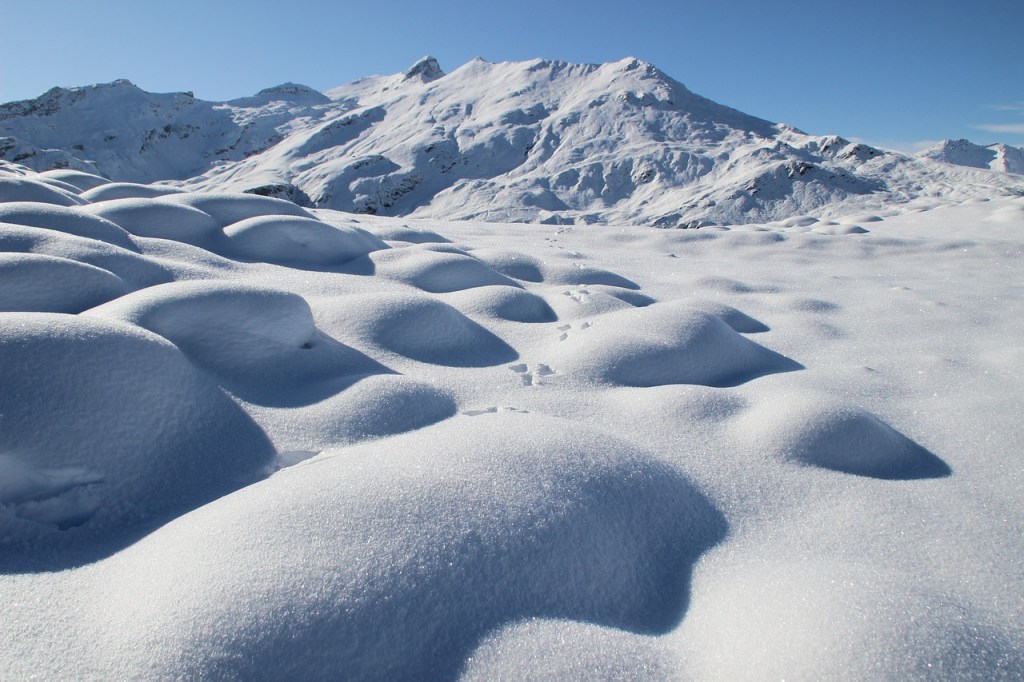
- Wind-Blown Snow (Drifts)
- What it is: Snow that has been packed by wind into dense drifts or sculpted into smooth, hard shapes.
- Impact: Drifts can make terrain uneven and hide hazards like rocks, holes, or frozen water beneath. Walking through them requires extra energy.
- Tip: Use a trekking pole to probe drifts before stepping onto them to ensure stability.
- Ice Layers or Refrozen Snow
- What it is: Snow that has melted and refrozen multiple times, creating icy surfaces.
- Impact: Walking on icy snow can be extremely slippery, requiring crampons or spikes for safety. Refrozen snow is poor for shelter-building.
- Tip: Avoid steep slopes where icy layers increase the risk of falls or avalanches.
How Snow Affects Survival
Understanding the physical properties of snow can be a matter of life or death in a winter survival situation. Here are key considerations:
1. Building Shelters
Snow is an excellent insulator because of the air trapped within it. Knowing which snow to use can make or break your shelter:
- Powder Snow: Difficult to build with—consider digging into a natural drift or snowbank instead.
- Wet Snow: Perfect for packing into quinzees (snow mounds hollowed out to form shelters) or building windbreaks.
- Tip: Digging down into snow (like making a snow trench) can protect you from wind and reduce exposure to freezing temperatures.
2. Travel Efficiency in Snow
Snow affects movement dramatically, and the energy you use depends on its type and depth. For example:
- Walking through deep powder can double your energy expenditure compared to firm, packed snow.
- Snowshoes and skis are vital for distributing your weight and traveling efficiently across soft or powdery snow.
- Icy or crusty snow requires caution—falls are more likely without proper traction gear like crampons.
Scenario of Snow Absence: Imagine attempting to travel through a forest in winter without the cushioning effect of snow. Uneven ground, fallen branches, and slippery mud would make hiking slow and dangerous. Snow, despite its challenges, often smooths over obstacles and provides a stable (albeit cold) surface for travel.
3. Melting Snow for Water
In winter, snow is often your most accessible water source, but it’s not without risks:
- Fresh Snow: Safe to melt and drink but has low water content—10 liters of snow may yield only 1 liter of water.
- Old Snow: Avoid snow that looks discolored (yellow, gray, or black), as it may contain dirt, bacteria, or pollutants.
- Tip: Melt snow gradually over low heat to avoid scorching your pot. Add a small amount of water to jumpstart the process and make melting more efficient.
Travel Tips: Navigating Snowy Terrain
Snow is not just a beautiful part of the winter landscape—it’s a dynamic force that affects every step you take and every decision you make in the wilderness. By understanding its physics and properties, you can travel smarter, conserve energy, and harness its potential for survival. Whether you’re trekking through deep powder, building a life-saving shelter, or melting snow for water, learning to work with snow—not against it—can transform your winter camping adventures. Remember:
- Plan Ahead: Check weather reports for snowfall, temperature, and avalanche warnings in mountainous areas.
- Use the Right Gear: Snowshoes, trekking poles, and gaiters are your best allies for snowy conditions.
- Test the Ground: Use a stick or pole to test snow depth and identify hidden obstacles.

 EVERWILD ADVENTURES
Leave a comment