When snow blankets the ground and familiar trails disappear, navigating the winter wilderness becomes an entirely different challenge. For outdoor enthusiasts and survivalists, learning to find your way without relying on a GPS is an invaluable skill that could mean the difference between adventure and peril. In this post, we’ll explore various techniques to navigate through the snow-covered landscape, using both natural and traditional tools.
Understanding Winter Landscapes: Why Snow Changes Everything
Snow doesn’t just coat the ground; it transforms the entire landscape. Familiar landmarks become obscured, trails vanish under thick drifts, and the uniform white expanse can make it difficult to judge distances. Moreover, winter days are shorter, with fewer daylight hours to navigate. These challenges require you to sharpen your observational skills and prepare for the unexpected.
The Sun as Your Compass: Direction-Finding in Winter Skies
The sun remains a reliable navigation tool, even in winter. However, during this season, the sun’s position stays lower on the horizon and can make direction-finding trickier. To navigate:
- In the northern hemisphere, the sun rises in the southeast and sets in the southwest. At midday, it’s due south.
- If you’re unsure of the time, you can still estimate cardinal directions by observing the sun’s arc across the sky. Be mindful of overcast days, when this method may be less reliable.
Using Shadows for Orientation: The Shadow-Stick Method
Even on snowy days, shadows can help you determine direction. To use the shadow-stick method:
- Place a stick upright in the snow and mark the tip of its shadow with a small object, such as a rock or twig.
- Wait 15 minutes, then mark the new position of the shadow tip.
- Draw a line between the two marks. This line will run west to east, with the first mark being west.
This technique is particularly useful in open areas where other landmarks are scarce.
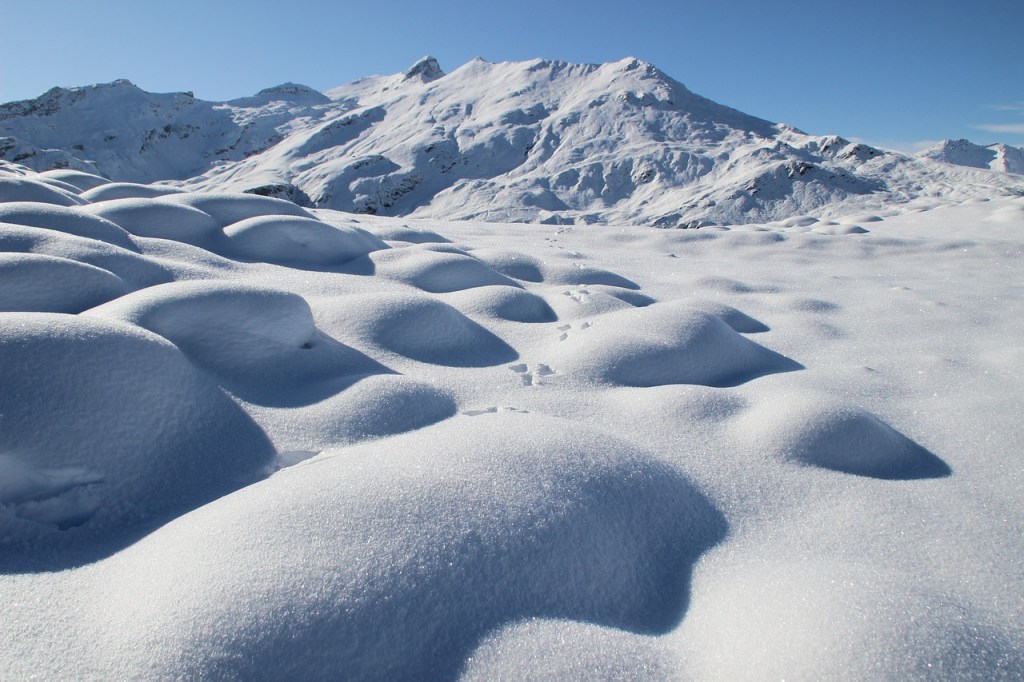
Reading Snowdrifts: Nature’s Silent Compass
Snowdrifts are shaped by prevailing winds and can offer subtle directional clues. In many regions:
- Snow piles higher on the side facing the wind, while the opposite side is often smoother and less steep.
- In mountainous areas, wind tends to follow valley corridors, which can help you orient yourself.
Be aware that these patterns can vary based on location—and always verify your findings with another method.
Navigating with Natural Landmarks: Trees, Rocks, and Waterways
Nature’s features often provide valuable guidance:
- Trees: In colder climates, moss grows more thickly on the north side of trees, while the south-facing side may appear drier and sunlit.
- Rocks: Snow and ice tend to melt faster on sun-facing slopes, which can indicate southern exposure.
- Waterways: Streams and rivers often flow downhill and can guide you to lower elevations where trails or settlements are more likely to be found. Frozen waterways can be used as makeshift trails but tread carefully to avoid thin ice.
Animal Tracks as Trail Markers
Wildlife often moves with purpose, and their tracks can serve as unexpected guides:
- Herbivores like deer often follow paths leading to water sources or lower, warmer elevations.
- Be cautious when interpreting predator tracks, as they may lead you into more remote or dangerous areas.
Tracking requires practice but can become an invaluable skill for winter navigation.
Map and Compass Skills in Snow-Covered Terrain
Traditional tools remain essential for navigating snowy landscapes. Here’s how to enhance their use in winter:
- Topographical Maps: Snow may obscure certain landmarks, but contour lines remain a reliable guide to elevation and terrain.
- Compass: Adjust for magnetic declination in your area, as errors can lead you off course over long distances. Always double-check your compass readings when surrounded by snowfields.
- Protective Measures: Keep maps and compasses in waterproof cases to prevent damage from moisture and extreme cold.
Nighttime Navigation: Using Stars in the Winter Sky
Winter nights can be breathtaking—and useful for navigation. Key constellations include:
- Orion: Visible in the winter sky, with Orion’s Belt pointing roughly east-west.
- The North Star (Polaris): Always located in the direction of true north, it’s a critical guide for nighttime navigation.
Dress warmly and minimize exposure to the cold while stargazing to avoid frostbite or hypothermia.
Using Technology in a Backup Role: Keeping Devices Functional in Winter
While this post focuses on non-GPS navigation, technology can still be a useful backup. However, cold temperatures drain batteries quickly. To mitigate this:
- Store devices close to your body to keep them warm.
- Use insulated cases or hand warmers to extend battery life.
- Carry extra power banks designed for cold weather conditions.
Snow Blindness and Visual Navigation Challenges
Snow blindness occurs when sunlight reflects off bright snow, causing temporary vision impairment. Prevent this by:
- Wearing sunglasses or goggles with UV protection.
- Creating makeshift snow goggles using bark or cloth with narrow slits to limit light exposure.
Without proper eye protection, navigating in snow-covered terrain can become significantly more difficult.
Emergency Navigation: When You’re Truly Lost
If all else fails, here are steps to follow:
- Stay Calm: Panicking can lead to poor decisions and wasted energy.
- Signal for Help: Use bright clothing, a whistle, or reflective gear to attract attention.
- Stay Put: Unless you’re certain of your direction, remaining in place increases your chances of being found.
Practice Makes Perfect: Training for Winter Navigation
Finally, preparation is key. Practice your navigation skills in controlled environments, such as local parks or trails, before heading into more remote winter landscapes. Familiarize yourself with snow-specific techniques to build confidence and avoid unnecessary risks.
Conclusion
Winter navigation is both a challenge and an art. By combining traditional methods with an understanding of the unique conditions snow creates, you can confidently explore the wilderness without relying on modern devices. Whether you’re tracking animal paths, using the stars, or following a map, these skills ensure you’ll find your way—and deepen your connection to the beauty of the winter landscape.

 EVERWILD ADVENTURES
Leave a comment